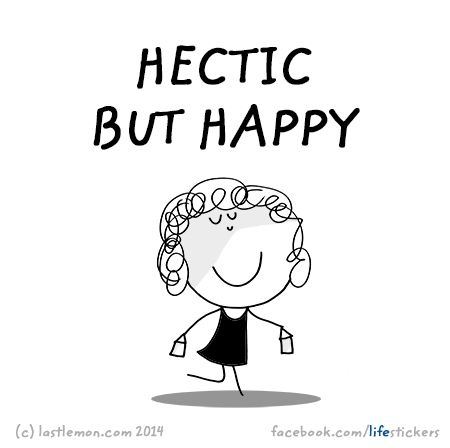
Native speakers use this word frequently. Hectic means very busy or full of activity. If you start using it, you will sound more natural and more fluent when you’re speaking English.
Now watch the video to learn the pronunciationand a little more about the word hectic!
So did you get it? I hope you liked it! And that’s me below!!
Sabe a diferença entre travel e trip? Uma dica útil, é usar travel como verbo e trip como substantivo. Assim temos:
I travelled to Paris.
Eu viajei a Paris.
My trip to Paris was exciting.
Minha viagem a Paris foi estimulante.
Did you have a nice trip?
Você fez boa viagem?
I like to travel with my family.
Eu gosto de viajar com minha família.
Expliquei essa simples regra para um aluno, enquanto ele me contava sobre seus planos de viagem para as próximas férias.
“What do you think about my trip plans?“, ele perguntou.
“Não! São travel plans“, respondi.
Travel, nesse caso, funciona como um adjetivo. E travel ainda pode ser um substantivo, como em travel broadens the mind (viajar amplia os horizontes). Para evitar confusão, use trip como substantivo etravel como verbo (to trip significa tropeçar).
Existe uma piadinha muito antiga para ser usada quando alguém tropeçar ao seu lado. E só dizer: “Did you have a nice trip?” Grande parte das piadas em inglês brinca com o duplo sentido dos termos. Aqui, “teve uma boa viagem?” é o mesmo que “tropeçou bem?”.
Referência: Michael Jacobs “Como Não Aprender Inglês – Edição Definitiva Editora Campus/Elsevier, 2002.