Quando usar “at the end” e “in the end”?

everything-will-be-okay

Hello everyone! Uma dúvida muito comum entre estudantes de inglês, é quando usar at the end ou in the end, e se as expressões são sinônimos ou têm significados diferentes. Então vamos lá!

Apesar de, aparentemente, as duas expressões serem quase iguais, seus significados diferem quanto ao contexto em que são usadas.

At the end é usado quando falamos do final de alguma coisa, de um evento, de um livro, de um filme, da vida, do post, enfim, no final de qualquer coisa!

At the end geralmente é acompanhado da preposição of. Vejam as equivalências:

At the end (of) No fim (de), no final (de), ao final (de)

Em português, é comum falarmos: “no fim do dia”, “no fim do mês”, “no final do ano”, “ao final da aula”, “no fim do semestre”, “no final da minha festa de aniversário”, “no fim da semana que vem”, etc. Observem como dizemos isso em inglês:

At_the_end_vs_in_the_end_-_Quadro_1-2.jpg

We will get married at the end of next month. Nós vamos nos casar no final do mês que vem.

At the end of the course, all the students will be fluent in English. Ao final do curso, todos os alunos serão fluentes em inglês.

At the end of this year, we’ll move into a new office building. No final deste ano, nós vamos nos mudar para um novo edifício comercial.

She likes to sit by the window at the end of the day, sipping her tea slowly. Ela gosta de se sentar perto da janela no fim do dia, bebendo seu chá devagar.

É possível também usar at the end sem a preposição of, mas sempre inferindo que estamos falando do final de qualquer coisa.

A- When did you leave the party? Quando você saiu da festa? 

B- At the end. No final.

The teacher didn’t tell us the grades during the class, only at the end. A professora não nos falou as notas durante a aula, só no fim.

at-in-the-end-img1.jpg

 In the end No final, por fim, no fim, no fim das contas

Lovers always get together in the end. Os amantes sempre ficam juntos no final.

She got her dream job, in the end. Ela conseguiu o emprego dos seus sonhos, por fim.

In the end, we had two clear opportunities to score and did not. No fim, nós tivemos duas oportunidades claras de fazer gol e não fizemos.

I’m sure that, in the end, everything will work out. Eu tenho certeza que, no fim das contas, tudo vai dar certo.

Existe também uma expressão em inglês que tem o mesmo significado de in the end: At the end of the day. Observem que o contexto é que vai determinar o sentido figurado da expressão:

At the end of the day no fim das contas (quando tudo mais foi levado em consideração)

 At the end of the day the decision is up to you. No fim das contas a decisão depende de você.

They took a romantic trip to Venice, but at the end of the day, ended up breaking up. Eles fizeram uma viagem romântica a Veneza, mas no fim das contas, acabaram terminando.

The end is near

See you, guys! XOXO!

by Joyce Rodrigues  http://blog.influx.com.br/quando-usar-at-the-end-e-in-the-end                                            

In, on or at the corner?


According to the dictionary, a corner is “a point where two converging lines meet, forming an angle, either external or internal”.

Which preposition goes with corner: in, on or at? The answer is the three o them can precede this word. However, the three expressions have different meanings:

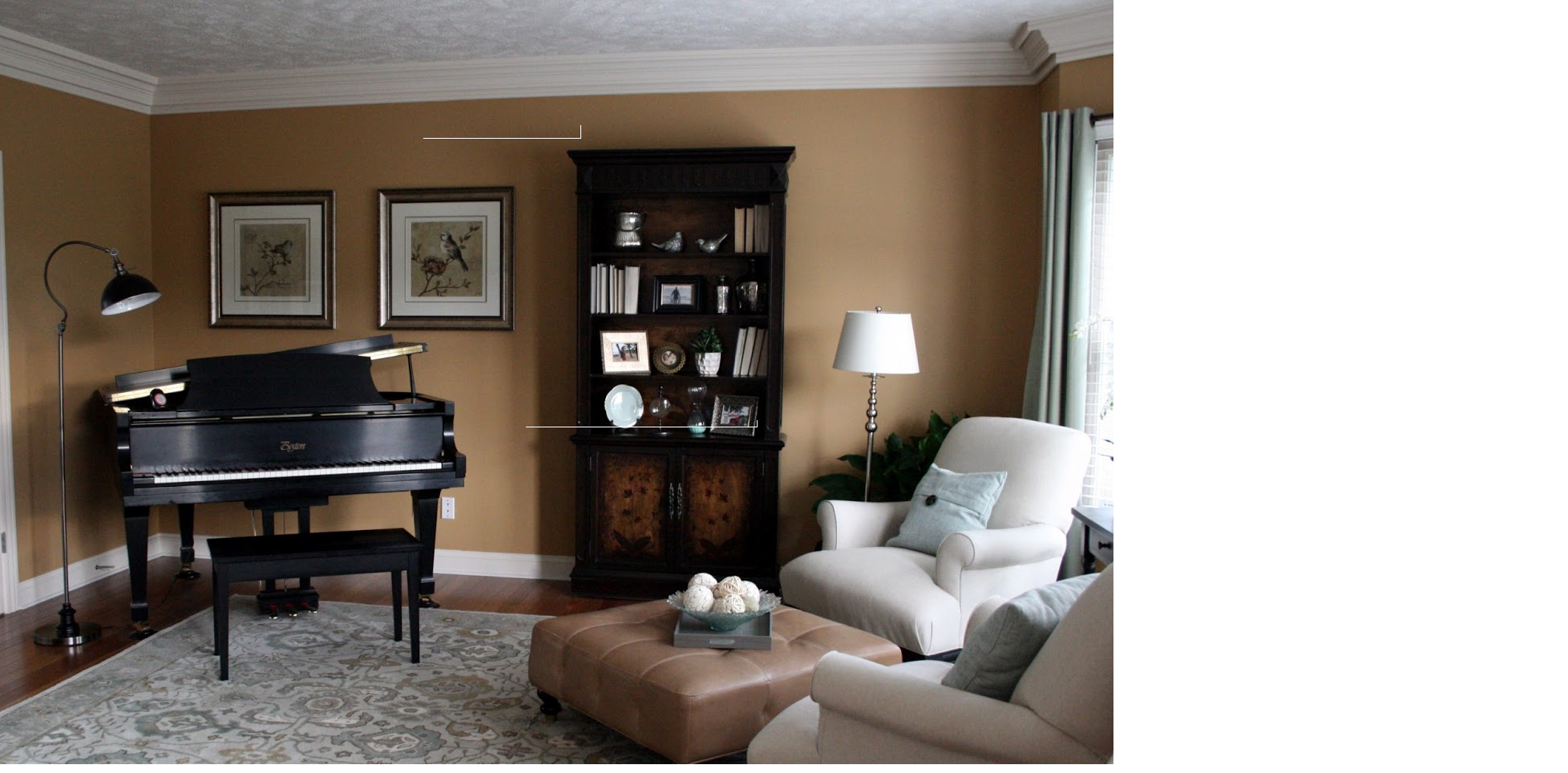
When corner means an interior angle formed by two meeting walls, we use the preposition in. A piano was in the corner of the room. 
in-the-corner
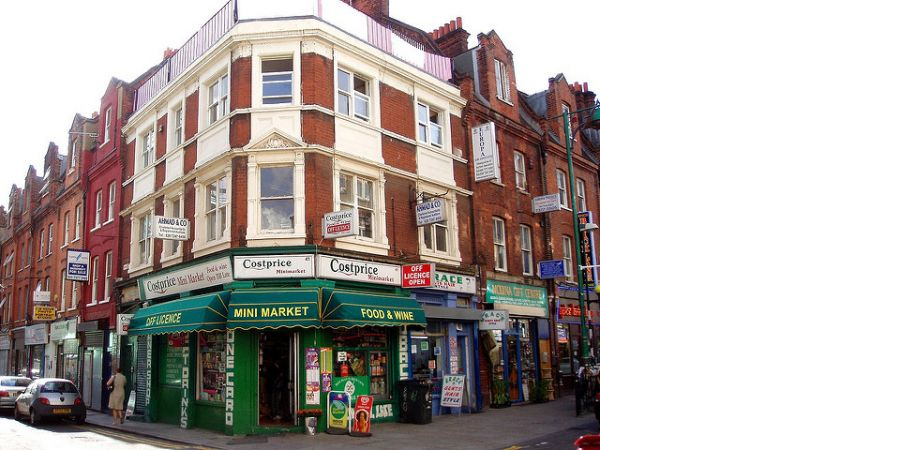
On the corner means “occupying the surface”. For example, the shop in the picture is on the corner of the street. You can also say that a person is standing on the corner because they are occupying a space.
on-the-corner
At the corner means near or adjacent to a corner.  For example, you can say “Let’s meet at the corner of my street”. But you can also say that the shop is at the corner of High Street and Station Road, that is, when you give the name of the two streets that intersect each other, at is used instead of on because you don’t refer to the surface but the point of intersection.

Here’s a tip that can help you remember this: in is used with the idea of being inside a volume; on when there is an idea of surface, and at when we just mean a point or being near something.

See  more at http://inmadom-myenglishclass.blogspot.com.br/2014/05/in-on-or-at-corner.html

The phonoaudiologist asks the singer… Collocations com a palavra “ask”

A palavra ask, assim como várias outras em inglês, pode ter uma grande variedade de combinações. E, de acordo com a combinação, teremos diferenças na estrutura ou no significado. Um dos primeiros contextos em que os alunos aprendem a palavra ask é relacionado a perguntar. Veja uma expressão bem comum relacionada a isso e algumas possíveis combinações no quadro que segue:

to ask (somebody) (a) question = fazer (uma) pergunta (para alguém)

ask

Observe em algumas frases o uso dessa estrutura:

Can I ask you a question? Posso te fazer uma pergunta?

Kids usually ask a lot of questions. As crianças geralmente fazem muitas perguntas.

Peter stayed in school because he needed to ask the teacher a question. O Peter ficou na escola porque ele precisava fazer uma pergunta pro professor.

I don’t like it when my mother asks me this kind of question. Eu não gosto quando minha mãe me faz esse tipo de pergunta.

Please, ask questions in case you don’t understand what I say. Por favor, faça perguntas caso você não entenda o que eu digo.

Ainda dentro desse contexto de fazer perguntas, podemos ter a combinação to ask (something), que quer dizer “perguntar (alguma coisa)”. Vamos ver algumas frases seguindo esse novo modelo:

I don’t know how to ask the time in Spanish.Eu não sei perguntar as horas em espanhol.

Don’t answer when a stranger asks your phone number. Não responda quando um estranho perguntar seu telefone.

The receptionist asked my name when I arrived. A recepcionista perguntou meu nome quando eu cheguei.

Além de perguntar alguma coisa, é possível combinar o ask com as palavras interrogativas, ou seja, podemos perguntar por que, perguntar onde, perguntar quando, perguntar quem etc. Perceba como a estrutura da frase fica no quadro e nos exemplos abaixo.

ask-somebody-why-460x342

Dad called and asked me when I was going back home. Meu pai ligou e me perguntou quando eu ia voltar pra casa.

I’m sure my friends will ask where I bought these boots. Eu tenho certeza que minhas amigas vão perguntar onde eu comprei essas botas.

Please, don’t ask who told me this. Por favor, não pergunte quem me disse isso.

Melanie always asks her mom what to do with the old magazines. Melanie sempre pergunta pra mãe dela o que fazer com as revistas velhas.

ask2

by Roberta Navarro  http://blog.influx.com.br/2014/09/02/collocations-com-a-palavra-ask-parte-i/