Can I share care, love and joy with you?
So look at this beautiful bouquet!

Thanks Ju for your thoughfulness!
Can I share care, love and joy with you?
So look at this beautiful bouquet!
Thanks Ju for your thoughfulness!
Estou caminhando para a finalização de mais um ano, com a sensação de dever cumprido.

O propósito é acender aquela chama em cada um, para que vibrem com a língua inglesa e passem, a cada dia, a querer saber mais e mais sobre ela!

Nossos cérebros, olhos, ouvidos e fala, se ocuparam com assuntos que realmente importam e pertencem a cada um de vocês. Construímos a partir das situações que vocês vivem, os assuntos que vocês trouxeram, e eu os ampliei através da ferramenta que é este blog, para que pudéssemos manipular e expandir estas informações ainda mais, e consequentemente fazer com que elas sejam parte de seu repertório, de seu mapa de mundo!

Lembrem:
TIME
EXPOSURE
ONGOING PRACTICE
SYSTEMATIC CORRECTION
Você aumentou seu raio de ação! Você ampliou seus limites, seu potencial realizador! Você avançou no seu processo de transformação sendo persistente ao invés de resistente!

YES! YOU’VE MADE IT! CONGRATULATIONS! ENJOY YOUR NEW SELF!
Forty-five second clip featuring footage from the tragic Brazilian club’s run to the Copa Sudamericana final goes viral.
https://youtu.be/Yvg-yabMXBM


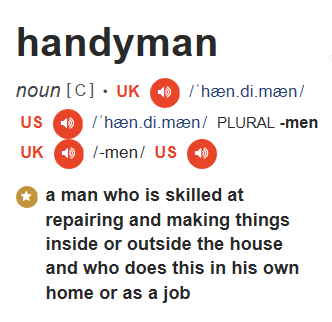
Listen to the pronunciation here.

Be into something to like and be interested in something: I’m really into folk music.
And you? What are you into?
According to the dictionary, a corner is “a point where two converging lines meet, forming an angle, either external or internal”.
Which preposition goes with corner: in, on or at? The answer is the three o them can precede this word. However, the three expressions have different meanings:
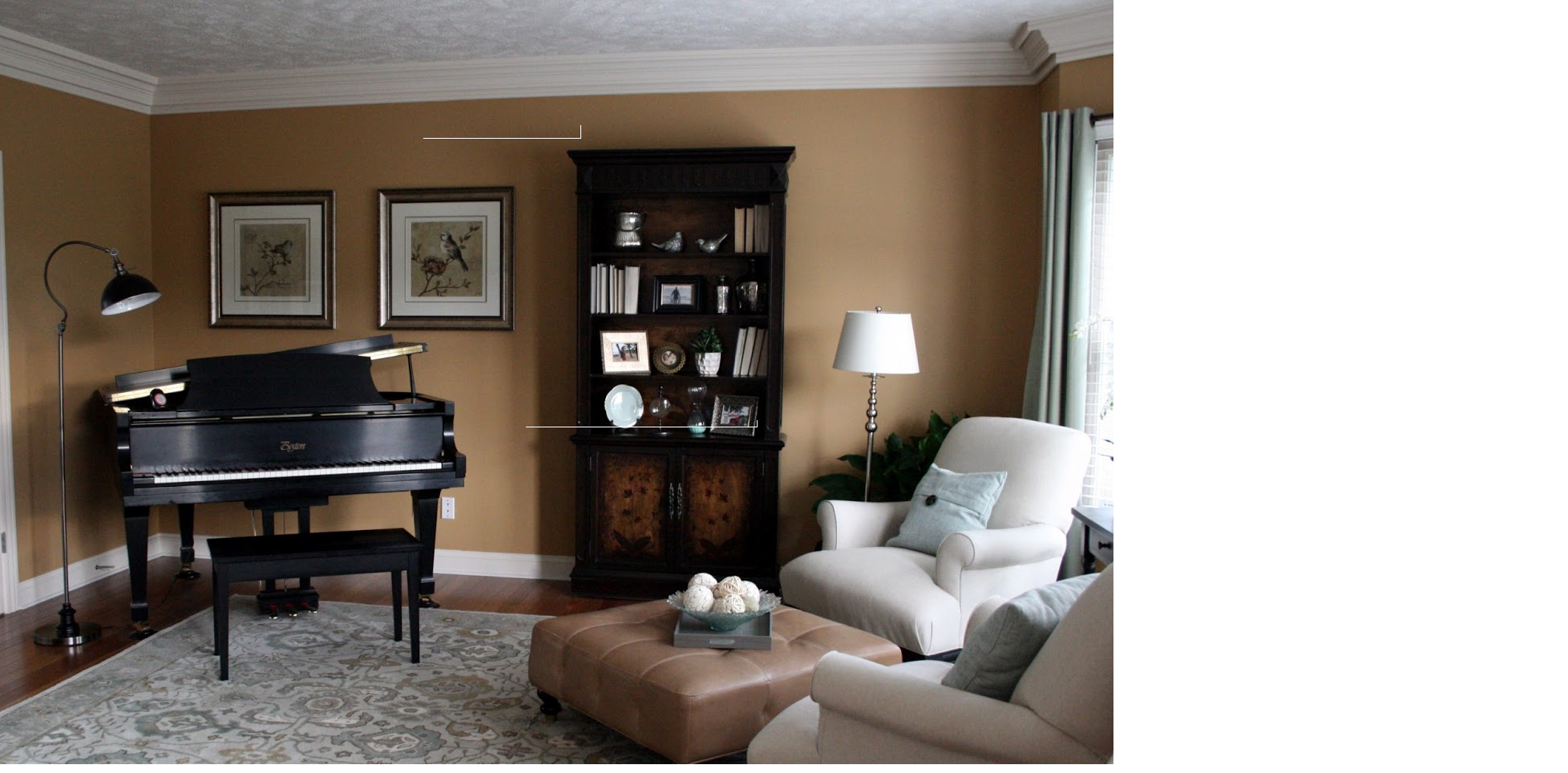
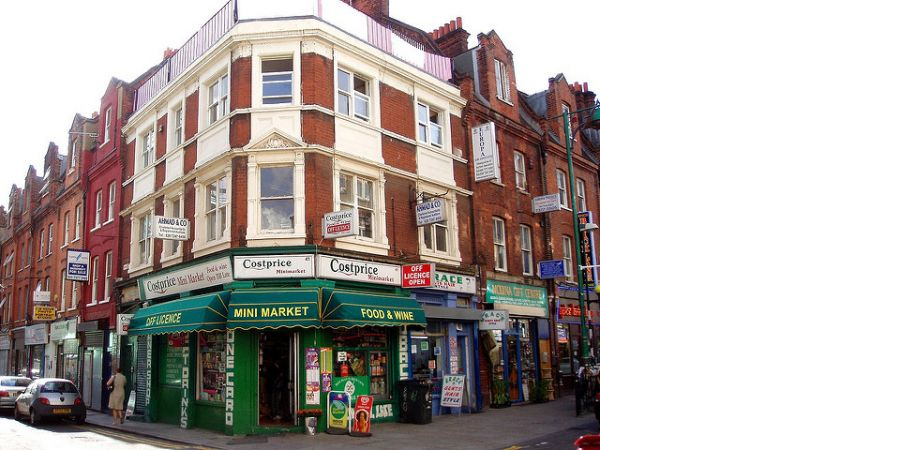
Here’s a tip that can help you remember this: in is used with the idea of being inside a volume; on when there is an idea of surface, and at when we just mean a point or being near something.