Explorando mais o “will”

Iniciamos aqui o estudo do “will”, usado para expressar aquilo que estamos decidindo no momento e também, uma promessa. No post de ontem, explicamos o uso de “going to” para expressar uma decisão ou plano já feito, pensado anteriormente.

No post de hoje, vamos explorar o uso do “will” em previsões, ou seja, para expressar o que pensamos ou acreditamos sobre o futuro.  Afinal de contas, é muito bom saber “Eu vou”, mas é importante também, saber falar “Eu acho que vou”!
image

Então, vamos lá! “I think I’ll…” , em português, significa “(eu) acho que vou…”. Vejam esses exemplos:

I think I’ll stay here for now. – Acho que vou ficar aqui por enquanto.

I think I’ll buy that car. – Acho que vou comprar aquele carro.

I think I’ll go to the beach on the weekend. – Acho que vou à praia no fim de semana.

I think I’ll forget, so I’d better write it down. – Acho que vou esquecer, então é melhor eu anotar.

É claro que podemos também falar “(eu) acho que ela vai…; (eu) acho que nós vamos… (ela) acha que ele vai…; etc”. Nesses casos, a construção será a mesma e só mudaremos as pessoas da frase, assim como em português. Observem:

I think we’ll… – (eu) acho que (nós) vamos…

I think she’ll… ­ – (eu) acho que ela vai…

E também:

She thinks she’ll… – Ela acha que (ela) vai…

He thinks he’ll… – Ele acha que (ele) vai…

Agora reparem como usaremos essas combinações em frases:

I think we’ll move to the US next year. – (Eu) acho que (nós) vamos nos mudar para os Estados Unidos ano que vem.

I think she’ll be here soon. – (Eu) acho que ela vai chegar aqui logo.

She thinks she’ll fail the test. – Ela acha que (ela) vai reprovar no teste.

He thinks he’ll be fired. – Ele acha que (ele) vai ser demitido.

Que tal vocês criarem algumas sentenças e as enviarem a mim pelo Contact me acima ? If you do that…

image

Baseado em Bruna Iubel   31/07/2014 http://www.influx.com.br/blog/2014/07/31/o-futuro-em-ingles-alem-do-will-parte-i/#sthash.K0v9dMdK.dpuf
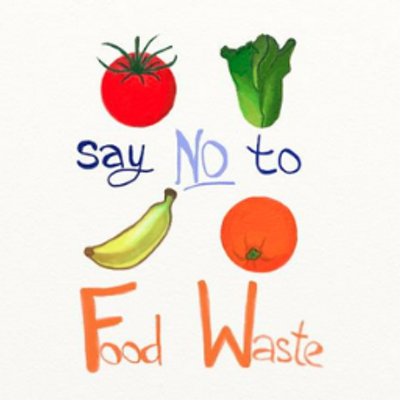
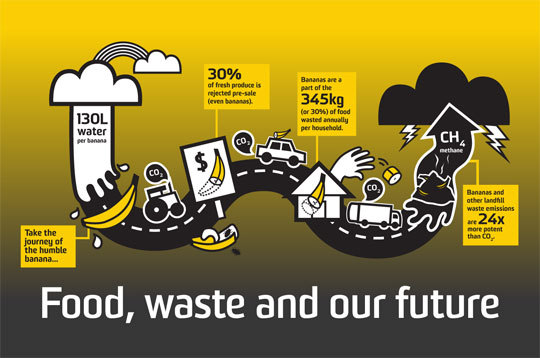
Are you a Waster?

New week! New plans! New resolutions! And what about this one: “I will…

image
image
image

Take this Quiz and find out if you’re a waster! Watch this movie: https://youtu.be/3TqQFYl7lmg! And if you want to access more contents related to Food Waste, visit http://www.fao.org/home/en/, http://www.ipeasbrasil.org.br/ipeasbrasil/ and http://www.akatu.org.br/.

So, after learning all this information and thinking about it, from now on, you’re going to implement the following plan, right?

image

Exercício: trabalhando a preposição “at”

Hey hey, folks! How have you all been?

Escrevemos aqui no blog uma série de posts sobre as preposições in, on e at. No post de ontem, que explicou a preposição at, encontram-se todos os links para as aprender sobre as preposições in e on, com exercícios. Hoje concluiremos a série, com exercícios sobre a preposição at.

ex-at-img1

Fill in the gaps with the options below:

 1 – I really want to stay___________________.   (em casa)

2 – Let’s all sit ________________________.   (à mesa)

3 – What are you doing _______________________?   (no momento)

4 – We were all scheduled ____________________.   (ao mesmo tempo)

5 – They arrived home ______________________.   (ao nascer do sol)

6 – We usually read a book  _____________________.   (na hora de dormir)

7 – I met him  ________________________.   (na festa)

8 – Don’t forget that our meeting will be ________________.   (às 8h)

9 – What do you usually do ________________________?   (à noite)

Check your answers: 1-home; 2–at the table; 3-at the moment, 4–at the same time; 5–at sunrise; 6–at bedtime; 7–at the party;  8–at 8; 9–at night

 That’s it for today! Keep on studying!

Baseado em Bruna Iubel   05/09/2015  http://www.influx.com.br/blog/2015/09/05/exercicio-trabalhando-a-preposicao-at-em-ingles/#sthash.s2fXVZMu.dpuf

Quando usar “at”

Hello guys!

Hoje vamos encerrar a série in, on, at. Para quem ainda não leu os posts anteriores, é só acessar o de 31 de agosto sobre a preposição in, aqui para os exercícios, aqui para aprender sobre a preposição on e aqui para os exercícios sobre ela.

Como falamos anteriormente, a melhor maneira de aprender as preposições em inglês é: memorize a combinação pronta e não se preocupe com as regras! Ou seja, ao aprender uma palavra em inglês, procure saber qual preposição é usada com ela.

Anotem aí combinações muito comuns com a preposição at.

At school – na escola

At home – em casa

At church – na igreja

At the restaurant – no restaurante

At the beach – na praia

*on the beach também é usado quando nos referimos à praia em si, não à cidade da praia.

At the party – na festa

At the bar – no bar

At the table – à mesa

At the club – no clube, na casa noturna

We’re dancing at the club!

* é também possível dizer in the club e in the restaurant!

in-on-at-III-img1

Quando falamos das horas e ainda algumas expressões relacionadas, também usaremos a preposição at:

At 7 o’clock – às 7 horas

At 8 p.m – às 20h

At 5 a.m – às 5h

At noon – ao meio dia

At midnight – à meia noite

At night – à noite

At the same time – ao mesmo tempo

At the moment – no momento

At sunset – no pôr do sol

At sunrise – ao nascer do sol

At bedtime – na hora de dormir

in-on-at-III-img2

At lunchtime – na hora do almoço

Vejam que com datas comemorativas, por exemplo “no natal”, “na páscoa”, também geralmente usaremos at:

At Christmas – No Natal

At Easter – Na Páscoa

Vocês já perceberam que a melhor maneira de aprender, é prestar atenção às combinações, pois há exceções às regras. Vejam:

On the table – Na mesa/sobre a mesa

There’s a book on the table. – Tem um livro na mesa.

At the table – à mesa

We all sat at the table to eat together. – Todos nos sentamos à mesa para comermos juntos.

E lembrem-se: a memorização do que aprenderam, dependerá de quanto usarem esta nova informação!

Baseado em Bruna Iubel  25/08/2015 http://www.influx.com.br/blog/2015/08/25/quando-usar-in-on-at-em-ingles-parte-iii/#sthash.KRE1pjS2.dpuf