
Pronunciation: stress and intonation

Sentence stress é fundamental para uma boa comunicação em inglês. Iniciantes no aprendizado da língua, devem aprender a respeito, desde as primeiras lições.

Ao aprendemos uma palavra em inglês, observamos significado, escrita (spelling), uso em diferentes contextos e pronúncia.

Fonética (estudo do sons da fala), foi até pouco tempo, negligenciada, sendo que boa pronúncia, ou uma pronúncia o melhor possível, é extremamente importante para não haver falha na comunicação, para se fazer compreender, para ser compreendido.

Stress é falar, soar palavras, ou partes de palavras, com mais ênfase do que outras.

E o inglês tem dois tipos básicos de tonicidade:

  1. Word stress (ênfase silábica)
  2. Sentence stress (ênfase de palavra)

O stress observado na sílaba da palavra, é o word stress. As sílabas em negrito nas palavras abaixo indicam qual é a sílaba tônica em cada uma delas, e falaremos mais sobre isso numa próxima lição:

  • important /ɪmˈpɔrtnt/
  • police /pəˈlis/
  • computer /kəmˈpjutər/
  • communication /kəˌmjunɪˈkeɪʃn/
  • interesting /ˈɪntrəstɪŋ/
  • difference /ˈdɪfrəns/
  • Brazil /brəˈzɪl/

Além do word stress, a segunda parte fundamental para uma boa compreensão e comunicação, é observar o sentence stress. Exemplos encontram-se no vídeo abaixo.

Sentence stress é o que ocorre quando uma palavra ou várias palavras, são ditas de modo mais enfático em uma sentença. 

A palavra ou as palavras principais da sentença – aquela ou aquelas que carregam o significado central do que está sendo dito – serão enfatizadas. Dependendo da palavra a ser enfatizada dentro da sentença, o significado, a ideia expressa, poderá mudar completamente.

Muitos falantes de português, queixam-se de que os falantes de língua inglesa falam muito rapidamente, ou “engolem” palavras. 

Em línguas silábicas como o portuguêsSYLLABLE-TIMED LANGUAGE, cada sílaba tem igual importância e, portanto, igual tempo é gasto em cada uma. 

O inglês, uma língua tônica STRESS-TIMED LANGUAGE entretanto, enfatiza as palavras importantes, enquanto passa rapidamente por palavras menos importantes.

E INTONATION, entonação, é o som resultante do aumento ou queda do tom de voz, sobretudo para enfatizar o sentido de uma frase.
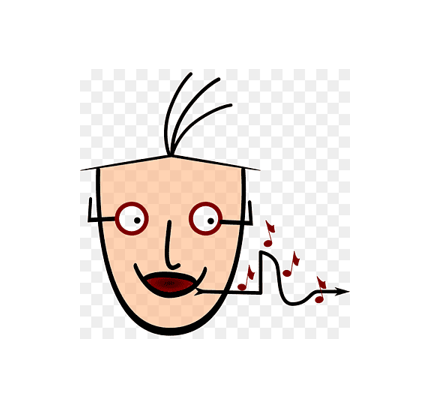
Por exemplo, em perguntas, a voz se eleva em tom, no final da pergunta.

Hey Dylan↘️, how’s it going↗️?

Neste vídeo, Carina Fragozo, mostra alguns padrões de acento frasal (sentence stress) do inglês.

Passe a ouvir com atenção como os falantes nativos enfatizam as palavras tônicas. À medida que você começar a ouvir atentamente, você descobrirá que no inglês, palavras que você parece não entender, têm importância, mas não são determinantes para a compreensão do todo.
Pronunciation: say and says

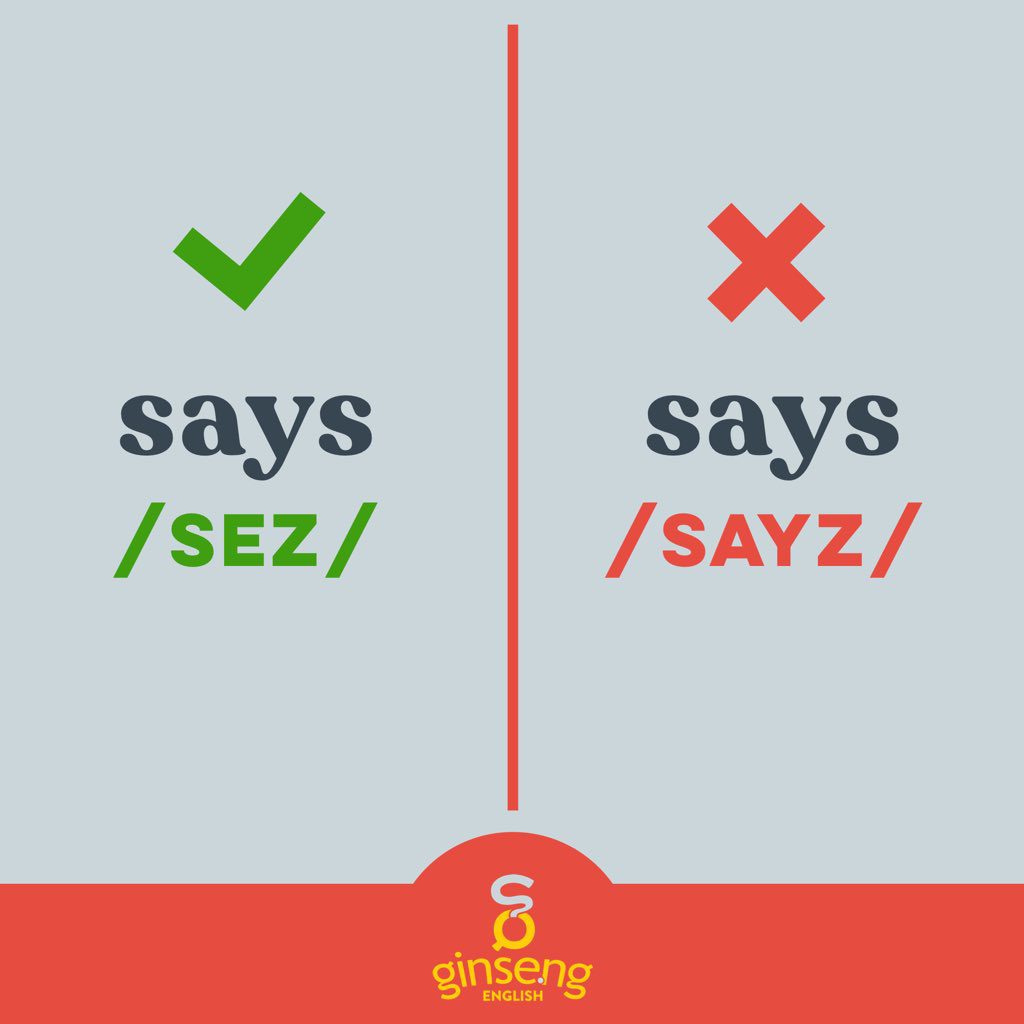
Did you know that the vowel sound in SAYS is different than that in SAY?

Many English learners get surprised when they realize that this very common verb, SAY, has slightly different pronunciation in the different forms of this word.

Listen carefully and practice.

Now, do you know what IF YOU SAY SO means?

“If you say so” can have several meanings, depending on context and tone.

  • It can mean a very respectful “Okay, I accept your word as an expert,” or “I don’t know, but I’ll take your word for it.”
  • It can imply that the listener is not interested in what the other person has to say. Rather than give his/her input, he or she ignores the matter with a remark like this.
  • Also used to indicate a weak agreement, it means I won’t argue with you, or I won’t contest your opinion. Unsaid, but implied: “I’m not at all sure you are right,” “It’s only your opinion,” and “I don’t want to fight.”

A: “Eating eggs has made me super-intelligent!”
B: “If you say so.”
(the person doesn’t necessarily agree)

More examples:

If you say so , I won’t insist.

I’m fine, don’t worry about me.” ” If you say so .”

Well, if you say so , Shelley, I’ll make sure he sees a therapist.

The tone of voice would make the meaning clear. 😉

Note:

I did some further research on the pronunciation of “says”. /seiz/ used to be the standard pronunciation of “says” which was gradually replaced by the shorter /sɛz/. The former appears to have survived as a non-standard dialectal form:

  • As the linguist Fidelholtz wrote back in 1975 — ‘Frequent words can do exceptional things’. The verb to ‘say’ is a good example of a mundane verb that is used a lot and that does exceptional things. ‘I say, you say, we say, they say’. There’s nothing peculiar here. It’s the so-called third person form that is the problem — this is where the verb falls out of kilter. In Standard English this is pronounced as ‘he/she/it sez’, and not ‘he/she/it says’. So it’s the shortened version ‘sez’ that is standard; the full form ‘says’ is now considered non-standard, dialectal.

Independence Day

Brazil is celebrating its 198th anniversary as a nation today (birthday of the nation).

On September 7th 1822, a declaration of independence from Portugal was made by Pedro di Alcântara, the 23-year-old son of the Portuguese King.

After that, Pedro I became the first emperor of Brazil and forced Portuguese forces to leave Brazil. In 1889 Brazil finished its monarchy and became a republic but kept 7th September as its Independence Day.

On this day there are celebrations in the capital, Brasilia, with military parades, air shows, musical concerts and fireworks in the evening. Parties and parades will also take place in most state capitals.

Did you know?

The 27 stars on the blue globe represent the 27 states of Brazil. Though several stars have been added over the years, the stars are arranged to match the night sky over Rio de Janeiro on the evening of November 15th 1889.

Here are some interesting facts about Brazil:

Now, most of the people mispronounce the word independence. So listen and practice. 😉

https://www.officeholidays.com/holidays/brazil/brazil-independence-day

Watch out! Regular verbs pronunciation

No estudo do inglês, o ditado popular ver para crer precisa ser substituído por ouvir para crer.

Em primeiro lugar, a interpretação fonética da ortografia em inglês apresenta diferenças em relação ao português.

Em segundo lugar, e mais importante, a correlação entre ortografia e pronúncia em inglês é notoriamente irregular. Isso quer dizer que, o mesmo grafema (letra) não corresponde sempre ao mesmo fonema (som), isto é, não tem sempre a mesma interpretação, a mesma pronúncia.

Para aqueles que não têm contato frequente com a língua falada, com a forma oral do inglês, a interferência da ortografia na pronúncia das palavras pode ser nociva e persistente.

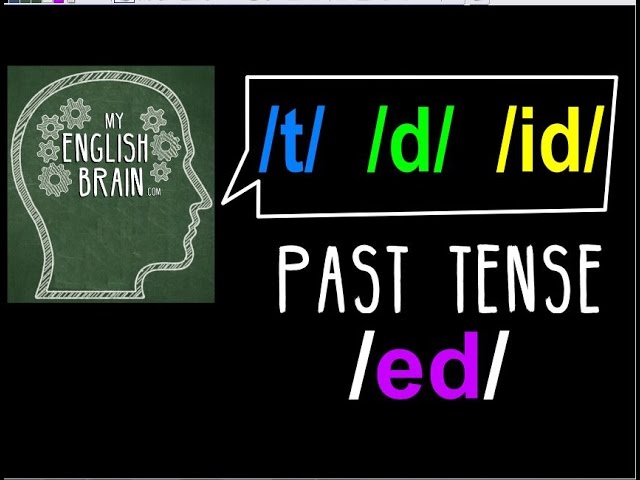
A pronúncia do sufixo “_ed”, indicador de passado nos verbos regulares do inglês, é um problema muito comum para brasileiros. O problema é agravado pelas três pronúncias que o sufixo “_ed” pode assumir.

A seguir, dois excelentes vídeos, que juntos elucidam e ilustram a correta pronúncia.


With special thanks to my student Afonso for sharing this last video with us.