A careful work on videos is a very useful tool to improve listening, to acquire vocabulary and to see how the parts of speech fit together. And best of all, to look at all these things at the same time, in context.
So here is a nice video, that teaches us essential vocabulary, in order for us to be able to participate in a discussion about the future of our country! Be a part of it! 😉
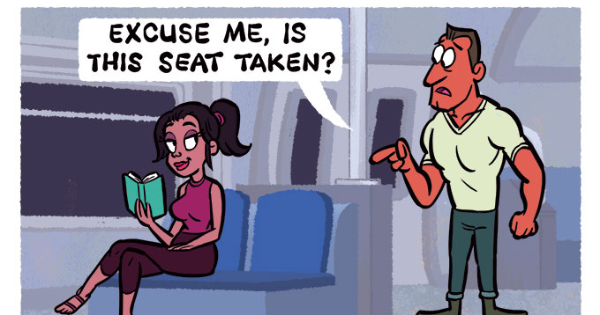
Suppose you’re on a bus/train. How do you ask the other passengers if a seat is unoccupied?
OR
Is this seat free?
OR
Is this chair/seat empty?
Is this chair/seat vacant?
Now, with the word ‘house’ or ‘apartment’:
The house has been empty for some days now. There is nobody in the house but it does not mean that you can occupy or buy it; it may be that the residents are out of town.
The house has been vacant for some days now. There is nobody living in the house and so if you want to live in it by renting or buying it, you can do so.
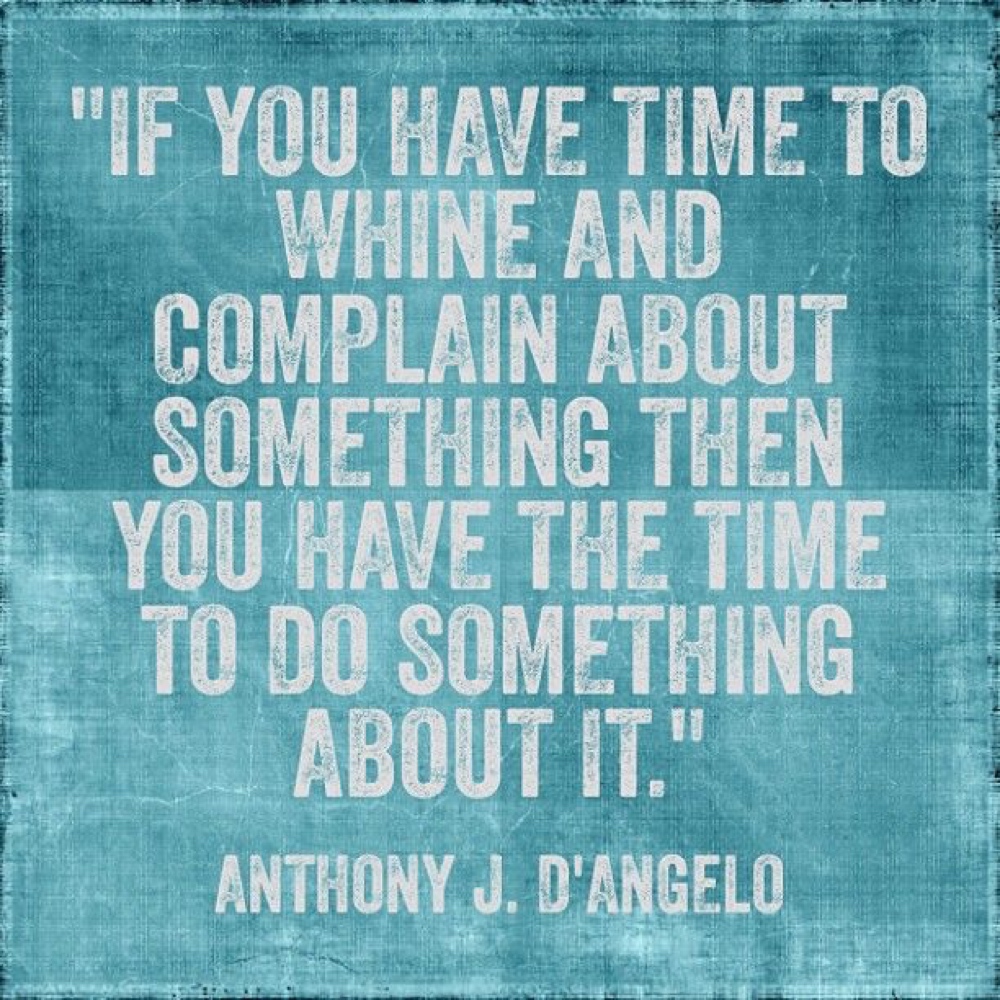
We’ve watched a German comedy in which a wife kept whining because she didn’t want her husband to relax and sit around doing nothing. At some point, she tells him to stop whining at her, although she was the one who was actually whining. Anyway, I think there’s a good message below, for this kind of whining attitude. Hehe… What do you think?
Schools have just let out and this mom is already feeling like that!
We recently watched a German comedy in which a wife doesn’t let her husband sit around doing nothing. She says: “You’re really driving me crazy”, but she is the one who actually drives her husband crazy!
And I’m sure you feel like telling someone the same, in a couple of situations.
So, the phrase drive someone crazy means to make someone very upset or angry.
You’re driving me crazy with that arguing!
Well, okay! But I do really hope don’t you have many people around you who drive you crazy! 😉
O uso mais conhecido de miss, entre os aprendizes da língua inglesa, é o de sentir falta/saudade de alguém.
Expandimos esse uso aqui, em contextos onde pode-se entendê-lo como not get (uma mensagem, informação, oportunidade ou meio de transporte), ou ainda errar (um alvo, em geral, por pouco).
Mas há ainda, uma confusão entre miss e lose, porque ambos os verbos significam perder. Existem algumas diferenças que podem ajudar:
Miss = não conseguir algo por não alcançar, atingir ou pegar, não conseguir ver ou ouvir, não entender. Como já dito acima, em geral, essas ideias se aplicam bem e principalmente a perder informação, oportunidades e algum meio de transporte. O sentido é de not get.
Lose = não conseguir achar algo, ter algo tirado de você. Estamos falando de algo tangível. Como conceito abstrato, também pode ser o oposto de win (vencer, ganhar). Assim, podemos lose objetos, competições e até a paciência.
Veja uma situação em que os dois verbos são usados com significados bem diferentes:
They missed the game x They lost the game.
Na primeira, com missed, a ideia é de não conseguir pegar – ou seja, eles iam ver o jogo, mas perderam a hora. Na segunda, com lost, a ideia é de ter algo tirado de você, é o oposto de win, o que quer dizer que eles foram derrotados.
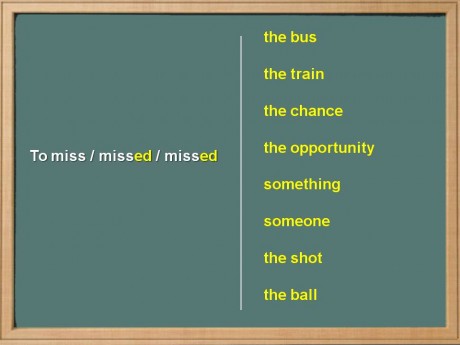
Agora veja no quadro abaixo as combinações mais comuns com o verbo to miss:
No exemplo abaixo to missse apresenta com o sentido de perder:
I overslept and missed the train. – Eu dormi além da hora e perdi o trem.
Vimos mais exemplos aqui, e ainda o verbo to miss usado com o sentido de sentir falta ou saudade de alguém e alguma coisa, e ainda com o sentido de errar. Mas também é possível dizer que sentimos falta ou saudade de fazer alguma coisa. Vejamos como isso fica em inglês:
To miss (doing) something – Sentir falta/saudade de (fazer) alguma coisa. I miss working with her. – Eu sinto falta de trabalhar com ela. Now that vacation is over I miss sleeping until late.– Agora que as férias acabaram eu sinto falta de dormir até tarde. I miss traveling with my family. – Eu sinto saudades de viajar com a minha família.
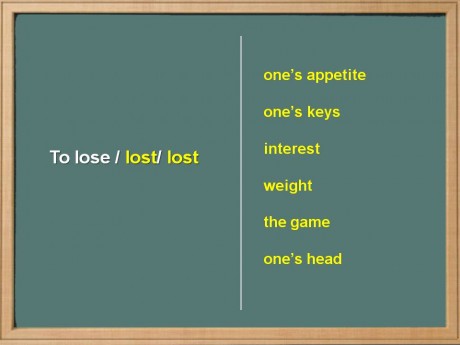
Agora veja o verbo to lose, e algumas de suas possíveis combinações:
Exemplos:
You’re looking slim. Have you lost weight? – Você parece mais magra. Você perdeu peso? After seeing what we had for dinner I lost my appetite. – Depois de ver o que tínhamos para o jantar eu perdi meu apetite. Carol lost interest in playing tennis after she got hurt. – A Carol perdeu o interesse em jogar tênis depois de se machucar. I think I lost one of my gold earrings. – Eu acho que perdi um dos meus brincos de ouro. Mom, can you believe I lost my glasses at the mall yesterday? – Mãe, você acredita que eu perdi meus óculos no shopping ontem? I’m so angry that I’m afraid I’ll lose my head! – Eu estou tão brabo que estou com medo de perder a cabeça! The Basketball team lost three games in a row. – O time de basquete perdeu três jogos seguidos.
Vamos testar seus novos conhecimentos? Tente completar as lacunas abaixo com lose ou miss:
He __________ the bus this morning.
I __________ my keys, I can’t find them anywhere!
She lives far from her family, so, she __________ a lot of things.
They were late, that’s why they __________ the class.
We __________ our way, we couldn’t find the party!
No! Don’t miss a single post! Stay tuned for more! 😉