New week, new month, new and ongoing challenges. We have already learned the difference between hill and mountain. Now let’s enjoy what we’ve learned.

New week, new month, new and ongoing challenges. We have already learned the difference between hill and mountain. Now let’s enjoy what we’ve learned.
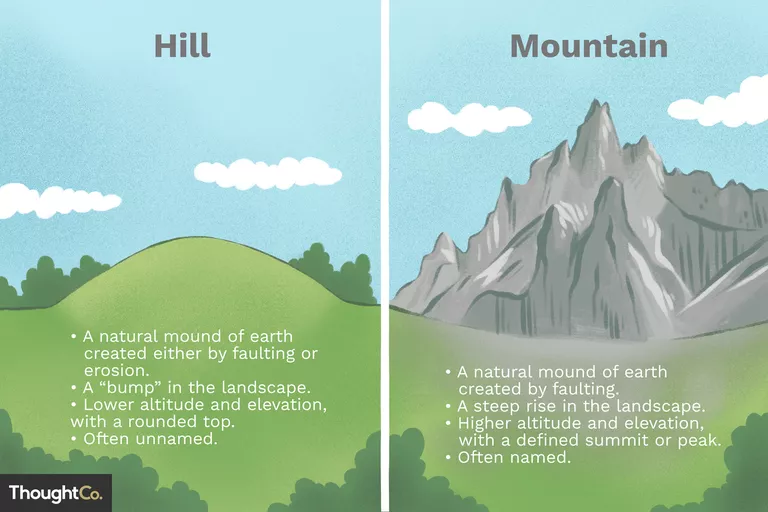
Hills and mountains are both natural land formations that rise out of the landscape. Unfortunately, there is no universally accepted standard definition for the height of a mountain or a hill. This can make it difficult to differentiate between the two.
There are characteristics that we typically associate with mountains; for example, most mountains have steep slopes and a well-defined summit while hills tend to be rounded. This, however, is not always the case.
Though no one can agree on the heights of mountains and hills, there are a few generally accepted characteristics that define each.
In general, we think of hills as having a lower elevation than a mountain and a more rounded/mound shape than a distinct peak. Some accepted characteristics of a hill are:
Hills may have once been mountains that were worn down by erosion over many thousands of years.
Though a mountain is typically taller than a hill, there is no official height designation. An abrupt difference in local topography is often described as a mountain, and such features will often have ‘mount’ or ‘mountain’ in their name.
Some accepted characteristics of a mountain are:
Of course, there are exceptions to these assumptions and some features that would otherwise be called “mountains” have the word “hills” in their name.
https://www.thoughtco.com/difference-between-hill-and-mountain-4071583
Vimos como usar another, other and others, que são facilmente confundidos, aqui e aqui. Vamos praticar?
Complete the sentences below with other, another and others.
1. I have ____________ questions to ask.
2. Don’t worry. Tomorrow is ____________ day.
3. Can I take a look at the _________ ones?
4. He likes the ____________ girl.
5. His behavior changed from one day to ____________.
6. Some lessons are harder than ____________.
7. Give me ________ 10 minutes, please.
8. Some people love horror movies. ____________people hate scary things.
9. I’m busy now, but how about the ____________week?
10. Some boys like videogames. ____________ prefer to play soccer.
Answer Key:
1-another/other
2-another
3-other
4-other
5-another/the other
6-others
7-another
8-other
9-other
10-others
E aí, acertaram todas as frases?
That’s all for now folks!
A escolha entre another, other e others, sempre causa muita dúvida. Iniciamos esse estudo aqui. Veja agora mais exemplos e usos desses vocábulos.
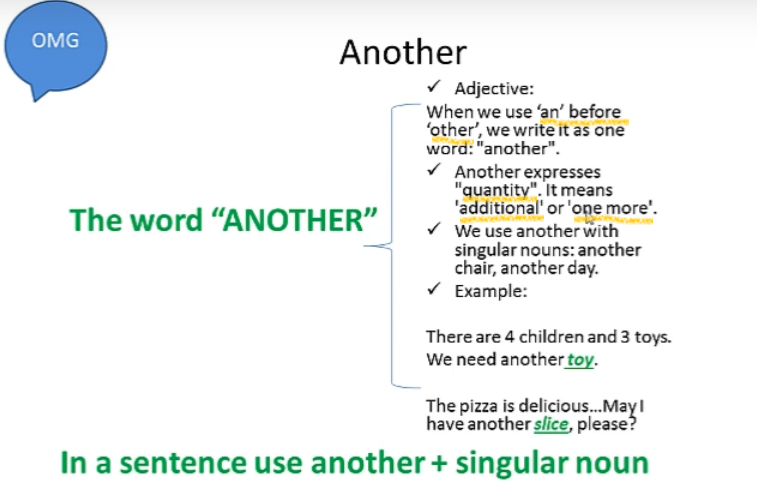
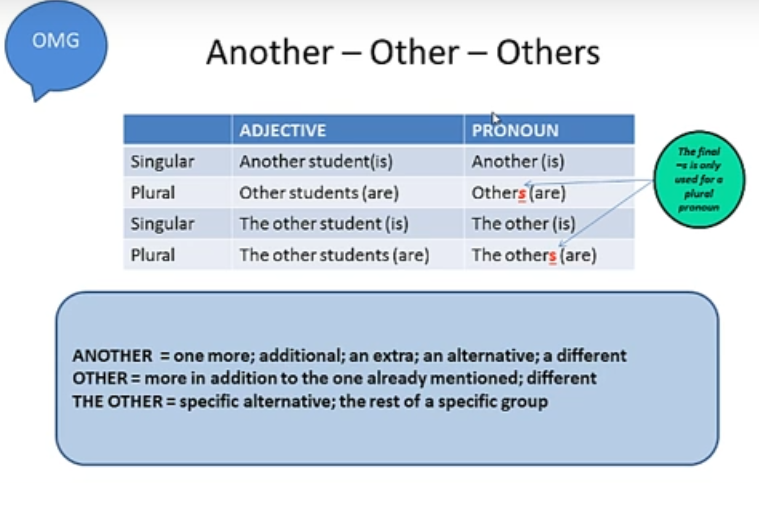
Another: (um) outro; (uma) outra = (an) alternative, besides this or these; como também, mais um(uma) = an additional, extra.
Another cup of tea – outra/mais uma xícara de chá.
I’d like another cup of tea, please. – Eu gostaria de outra/mais uma xícara de chá, por favor.
Another question– outra/mais uma pergunta.
Teacher, I have another question. – Professor (a), eu tenho outra/mais uma pergunta.
Another day – (um) outro dia.
Don’t worry. Tomorrow is another day. – Não se preocupe, amanhã é (um) outro dia.
Veja também essas outras combinações:
Another (one)- mais um; mais uma; outro; outra.
Can I have another one? – Posso comer mais um?
I’m going to buy another one. – Eu vou comprar outro.
From one… to another – de um(a)… para o outro(a).
His behavior changed from one day to another – O comportamento dele mudou de uma dia para o outro.
Agora veja como usar other e algumas de suas combinações:
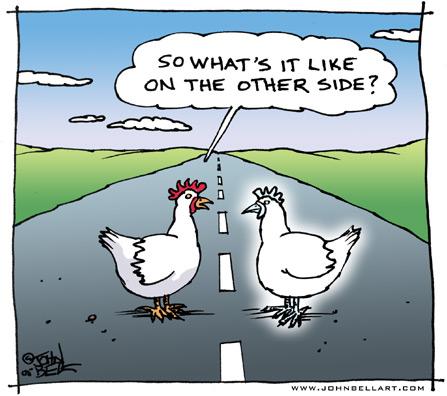
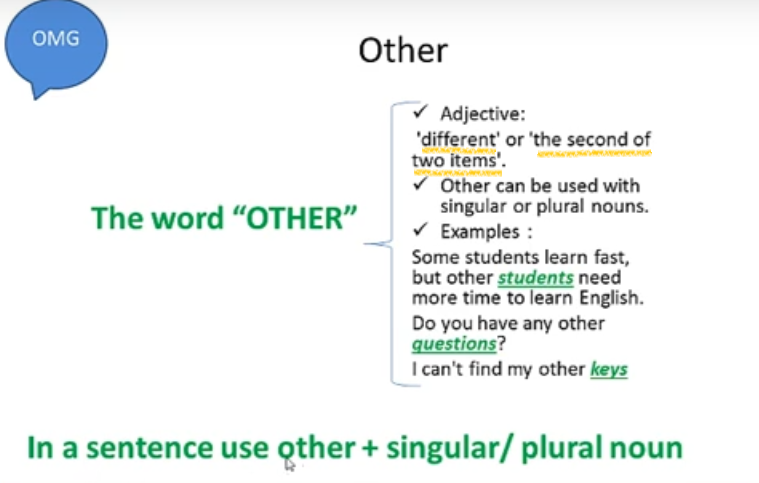
Other – outros; outras
Other people – outras pessoas.
We need more room in the car. Other people are traveling with us. – Precisamos de mais espaço no carro. Outras pessoas irão viajar conosco.
Other cars – outros carros.
I’m interested in seeing other cars. – Tenho interesse em ver outros carros.
Other questions – outras perguntas
I have other questions to ask. – Eu tenho outras perguntas a fazer.
Any other – alguma outra; algum outro.
Does anybody have any other question? – Alguém tem alguma outra pergunta?
The other one(s) – o(s) outro(s); a(s) outra(s).
I prefer the other one – Eu prefiro o outro.
Can I take a look at the other ones? – Eu posso dar uma olhada nos outros?
Observe que você também pode usar the other e mais um complemento. Por exemplo:
The other week – a outra semana.
I’m busy now, but how about the other week? – Eu estou ocupado agora, mas que tal na outra semana?
The other girl – a outra menina
He likes the other girl – Ele gosta da outra menina.
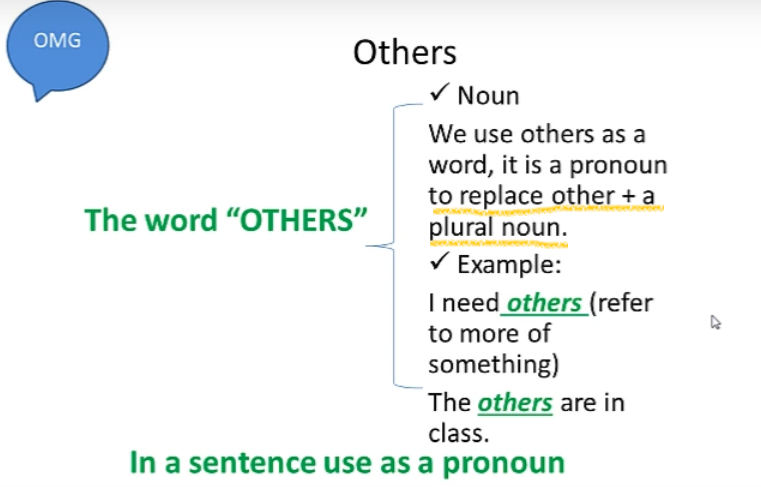
Others também significa outros e outras, porém é usado quando após ele não segue um substantivo:
Some are … than others – alguns são … que (os)outros
Some lessons are harder than others. – Algumas lições são mais difíceis que (as) outras.
Some people are healthier than others. – Algumas pessoas são mais saudáveis que (as) outras.
Among others – entre outros; entre outras
My teacher knows how to speak English, Italian, French, among others. – Minha professora sabe falar ingles, italiano, francês, entre outros.

That’s it for today, folks! Check tomorrow’s blog post for exercises!
https://blog.influx.com.br/como-usar-another-other-e-others-em-ingles/
These three words are very confusing for many learners: other, another and others. Let’s take a look at them.
Well, I hope this lesson was of some help to you. And check tomorrow’s Blog post for more examples and other usages!