
“Already” or “yet” 2017

Yet com sentido de já, é usado geralmente em perguntas e no final de frases:
Have you met them yet? = Você já conheceu eles?

Already também tem o significado de  em português. E geralmente é usado em frases afirmativas e no meio das frases, como vemos nos exemplos abaixo:

He had already left when I got there. Ele já havia saído quando eu cheguei lá.
We’ve already met. Nós já nos conhecemos.
He’s only three and he’s already reading. Ele tem apenas 3 anos e já está lendo.
I’m already hungry. Eu já estou com fome.
She’s already here. Ela já está aqui.
She’s already gone. Ela já se foi.

image

Agora é comum também usarmos already em perguntasfrases negativas e também no final de frasesespecialmente quando expressamos surpresa. Vejam os exemplos abaixo para entenderem melhor:

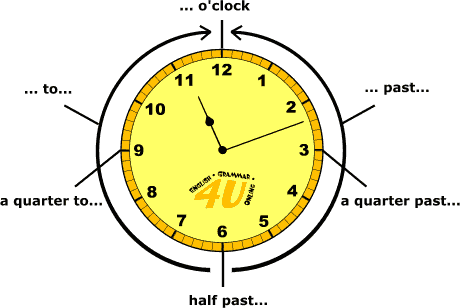
Is it seven o’clock already? Já são sete horas?
We’ve just started. Are you tired already? Acabamos de começar. Você já está cansado?
Have you eaten all that food already? Você já comeu toda aquela comida?
You’re not leaving already, are you? Você não já está indo embora, está?

Anyway, I’m already done for now. See you soon!

Veja mais sobre ainda aqui e aqui.

http://www.influx.com.br/blog/2012/01/03/already-or-yet/#sthash.S6EB95wy.dpuf

Exercício: “at the end” or “in the end” 2017

Às vezes, expressões muito similares em inglês acabam por confundir os aprendizes no momento de utilizá-las. No caso de at the end e de in the end, os significados também são bem parecidos em português. Então, para sanar de vez todas as dúvidas, nada melhor do que praticar com um rápido exercício.

Antes de fazer o exercício, convém ler (ou reler) o post onde mostrei o uso de at the end in the end clicando aqui.

Fill in the gaps in the sentences below using “at the end” or “in the end”:

1. I’ll travel to New York __________________ of the year.

2. We will succeed __________________.

3. __________________ of the wedding party, the bride threw the bouquet.

4. All the students gave the teacher a hug __________________ of the class.

5. I’m sure that, __________________, things will be alright.

6. __________________, Michael Phelps won a gold medal again.

7. Michael Phelps won another gold medal __________________ of the competition.

8. He took her to eat out __________________ of the day.

9. __________________ of the course, his score was much more than 700 in the TOEIC Test.

The end

Ah, tenho certeza de que estes exercícios foram muito fáceis in the end! Vamos conferir seus acertos?

  1. at the end
  2. in the end
  3. at the end
  4. at the end
  5. in the end
  6. in the end
  7. at the end
  8. at the end
  9. at the end

Joyce Rodrigues  27/ago/2016  http://blog.influx.com.br/exercicio-quando-usar-at-the-end-e-in-the-end

“At the end” and “in the end” 2017

everything-will-be-okay

Hello everyone! Uma dúvida muito comum entre estudantes de inglês, é quando usar at the end ou in the end. Então vamos lá!

Apesar de, aparentemente as duas expressões serem quase iguais, seus significados diferem quanto ao contexto em que são usadas.

At the end é usado quando falamos do final de alguma coisa, de um evento, de um livro, de um filme, da vida, do post, enfim, no final de qualquer coisa!

At the end geralmente é acompanhado da preposição of. Vejam as equivalências:

At the end (of) No fim (de), no final (de), ao final (de)

Em português, é comum falarmos: “no fim do dia”, “no fim do mês”, “no final do ano”, “ao final da aula”, “no fim do semestre”, “no final da minha festa de aniversário”, “no fim da semana que vem”, etc. Observem como dizemos isso em inglês:

At_the_end_vs_in_the_end_-_Quadro_1-2.jpg

We will get married at the end of next monthNós vamos nos casar no final do mês que vem.

At the end of the course, all the students will be fluent in English. Ao final do curso, todos os alunos serão fluentes em inglês.

At the end of this year, we’ll move into a new office building. No final deste ano, nós vamos nos mudar para um novo edifício comercial.

She likes to sit by the window at the end of the day, sipping her tea slowly. Ela gosta de se sentar perto da janela no fim do dia, bebendo seu chá devagar.

É possível também usar at the end sem a preposição of, mas sempre inferindo que estamos falando do final de qualquer coisa.

A- When did you leave the party? Quando você saiu da festa? 

B- At the end. No final.

The teacher didn’t tell us the grades during the class, only at the endA professora não nos falou as notas durante a aula, só no fim.

at-in-the-end-img1.jpg

 In the end significa, no final, por fim, no fim, no fim das contas.

Lovers always get together in the endOs amantes sempre ficam juntos no final.

She got her dream job, in the endEla conseguiu o emprego dos seus sonhos, por fim.

In the end, we had two clear opportunities to score and did not. No fim, nós tivemos duas oportunidades claras de fazer gol e não fizemos.

I’m sure that, in the end, everything will work out. Eu tenho certeza que, no fim das contas, tudo vai dar certo.

Existe também uma expressão em inglês que tem o mesmo significado de in the endAt the end of the day. Observem que o contexto é que vai determinar o sentido figurado da expressão:

At the end of the day, no fim das contas (quando tudo mais foi levado em consideração)

 At the end of the day the decision is up to you. No fim das contas a decisão depende de você.

They took a romantic trip to Venice, but at the end of the day, ended up breaking up. Eles fizeram uma viagem romântica a Veneza, mas no fim das contas, acabaram terminando.

The end is near

See you, guys! XOXO!

 by Joyce Rodrigues  http://blog.influx.com.br/quando-usar-at-the-end-e-in-the-end     

I “dream about” you!

https://youtu.be/Zp6pLvlgeJ4

Português: verbo sonhar + com + substantivo: Eu sonho com você.

Inglês: NUNCA a tradução literal! The verb to dream + about + noun

Eu sonho com você = I dream about you.

Você sonha comigo = You dream about me.

Português: verbo sonhar + em + verbo

Inglês: the verb to dream + of/about + verb (gerund form)

Ele sonha em ser um grande jogador = He dreams about/of being a great footballer.

Ela sonha em ter uma grande empresa = She dreams about having a big/great business.

Dream of


He was “married to”…

Casamento

Existem várias maneiras de falarmos “casar” em inglês, mas vamos aprender as mais comuns no post de hoje: “to marry” “to get married”. Vamos primeiro ver exemplos com o “to marry”:

They hope to marry after he returns from Italy. Eles esperam casar depois que ele voltar da Itália.

My dream is to marry in the church my mother married in. Meu sonho é me casar na igreja onde minha mãe se casou.

We should marry, our love will be endless. Nós deveríamos casar, nosso amor será eterno.

Além de somente “casar”, o verbo “marry” pode ter outra equivalência: “casar com”. Vejam outros exemplos:

I’ve always wanted to marry her. Eu sempre quis casar com ela.

John will marry Samantha next month. O John vai se casar com a Samantha mês que vem.

The best thing I’ve ever done was to marry my best friend. A melhor coisa que eu já fiz foi casar com minha melhor amiga.

I’m ready to marry Bob, I love him. Eu estou pronta para casar com o Bob, eu amo ele.

Casamento2

No “Spoken English”  a expressão “to get married” é muito mais comum do que o verbo “marry”Percebam que dependendo da frase, a equivalência de “to get married” também pode ser “se casar” ou “nos casarmos”:

I think that everyone should get married at least once. Eu acho que todo mundo deveria casar pelo menos uma vez.

I can’t believe we’re not going to get married. Eu não consigo acreditar que nós não vamos nos casar.

Most of my friends have gotten married and had kids. A maioria dos meus amigos casaram e tiveram filhos. 

You know, we could always go to Vegas and get married. Você sabe que nós sempre podemos ir até Las Vegas e nos casar. 

Men never want to get married. Homens nunca querem se casar.

There are many couples who can’t get married but live together anyway. Tem muitos casais que não podem se casar mas moram juntos mesmo assim.

Agora, muito importante! esta é a razão deste post! Se quisermos falar “casar com”  utilizando “to get married” que vimos acima, iremos incluir a preposição “to”, ao lado dela. Vejam só:

“To get married to” = “Casar com”

Bernadette wanted to get married to Howard before he traveled. Bernadette queria se casar com o Howard antes de ele viajar. 

He was about to get married to the wrong woman. Ele estava prestes a se casar com a mulher errada.

Angelina Jolie didn’t want to get married to someone who had been married to Jennifer Aniston. Angelina Jolie disse que não queria se casar com alguém que foi casado com a Jennifer Aniston.

You shouldn’t get married to him because you’re pregnant. Você não deveria se casar com ele porque você está grávida.

Uma curiosidade interessante é que apesar de “to get married” e “to marry” terem o mesmo significado, em alguns casos, somente ou outro é utilizado, como por exemplo:

We’re getting married next month. Vamos nos casar mês que vem. (E nãoWe’re marrying next month.)
Will you marry me? Você quer se casar comigo? (E nãoWill you get married to me?)

Based on Fernanda Pereira  http://www.influx.com.br/blog/2015/03/26/como-se-diz-casar-em-ingles/#sthash.WCZOuIaR.dpuf