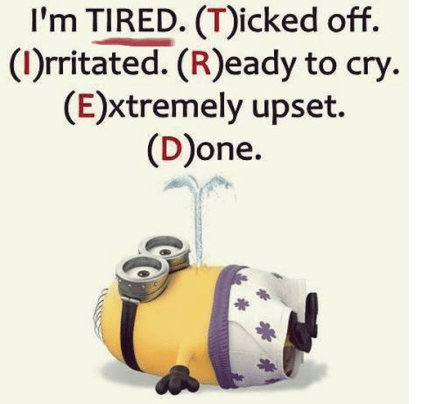
We use the word “tired” a lot and it can be hard to pronounce. A lot of students pronounce it incorrectly. So listen and practice.
We use the word “tired” a lot and it can be hard to pronounce. A lot of students pronounce it incorrectly. So listen and practice.
About four months ago, our governor, here in one of the southernmost states in Brazil, ordered a lockdown. The Coronavirus COVID-19 nightmare was just reaching this part of the world.

Since then, we have been learning many words, expressions, idioms, in order to be able to speak about the virus, herd immunity, safety measures, our new routines, work from home, remote learning, emotional responses… Videos, songs, poems, jokes, which refer to the pandemic, that inform, entertain or motivate us.
Scroll down andreaalthoff.com.br, if you want to review them.
The pandemic came, and apparently is at its peak now, or not… There’s a lot of controversy about it.
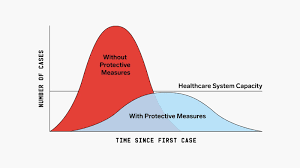
We were placed on lockdown one more time about a week ago, but it was already lifted. So, Blumenau is not in lockdown anymore.
“When major decisions must be made amid high scientific uncertainty, as is the case with Covid-19, we can’t afford to silence or demonize professionals with different views. Even worse, we can’t allow questions of science, medicine, and public health to become captives of politics. Misinformation about Covid-19 is abundant and today, more than ever, we need vigorous academic debate.
Since Covid-19 first emerged at the end of 2019, thousands of scientists have been working to answer fundamental questions. How lethal is it? How many people have already had it? If so, are they now immune? What drugs can fight it? What can societies do to slow it? What happens when we relax our public health interventions? Can we develop a vaccine to stop it?
Scientists agree that it will take 18 months or longer to develop a vaccine. Even for cloth masks, we see arguments on both sides.
Some believe that nations which instituted social distancing but with fewer lockdown restrictions, are pursuing the wisest course — at least for that country — while others favor the strictest lockdown measures possible. We think it is important to hear, consider, and debate these views without hostility.”
So, here we are! What do you think about all this? How do you feel about it?
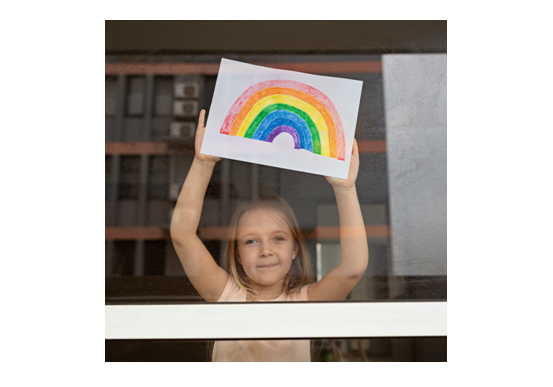
This text contains excerpts from the article https://www.statnews.com/2020/04/27/hear-scientists-different-views-covid-19-dont-attack-them/, which were selected with the solely purpose of providing a basis for class discussion, through vocabulary learning and practice of an issue we’re all experiencing. A couple of more difficult words were replaced by more easier ones, to facilitate understanding.
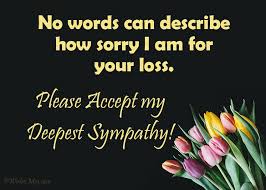
There are many occasions when condolences are needed due to a death. There are also several ways of expressing condolence. You can send flowers, a gift, or a sympathy message.
The word “condolence” comes from the Latin “condolere,” meaning “to suffer together.” Sometimes the dictionary lists the word “pity” as a synonym, but “comfort,” “commiseration,” “sympathy,” and “consolation” are better synonyms. It really means acknowledging a loss, showing sympathy, and empathizing with someone.
A dear student’s brother has recently passed away. The whole family is going through a hard time.
It’s times like these when we cling to those glimmers of hope and promise that we find amidst all the sorrow and pain.
And here is what I feel like offering to her… A poem from Henry van Dyke
I am standing upon the seashore. A ship, at my side,
spreads her white sails to the moving breeze and starts
for the blue ocean. She is an object of beauty and strength.
I stand and watch her until, at length, she hangs like a speck of white cloud just where the sea and sky come to mingle with each other.
Then, someone at my side says, “There, she is gone.”
Gone where?
Gone from my sight. That is all. She is just as large in mast,
hull and spar as she was when she left my side.
And, she is just as able to bear her load of living freight to her destined port. Her diminished size is in me — not in her.
And, just at the moment when someone says, “There, she is gone,” there are other eyes watching her coming, and other voices ready to take up the glad shout, “Here she comes!”
And that is dying…

Beginning of a new week!
What about a great message of encouragement? That’s the farewell of HEINEKEN CEO Jean-François van Boxmeer.
Listen carefully to it! His pronunciation is so clear! Write down the transcript! Let’s look closely at the words and how they combine together. You can check how many useful words are pronounced and used, like the word: worth.
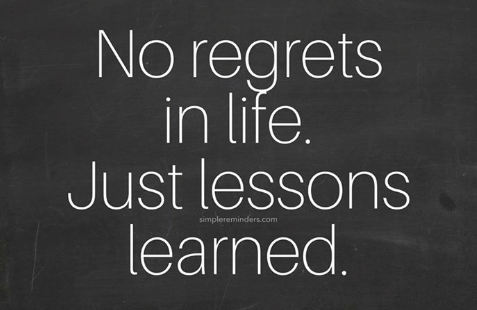
What are the few simple lessons he shared? What do you think about these tips?
Now, concerning the difficult times we’re going through, what does he say? Does his message put you in low spirits?
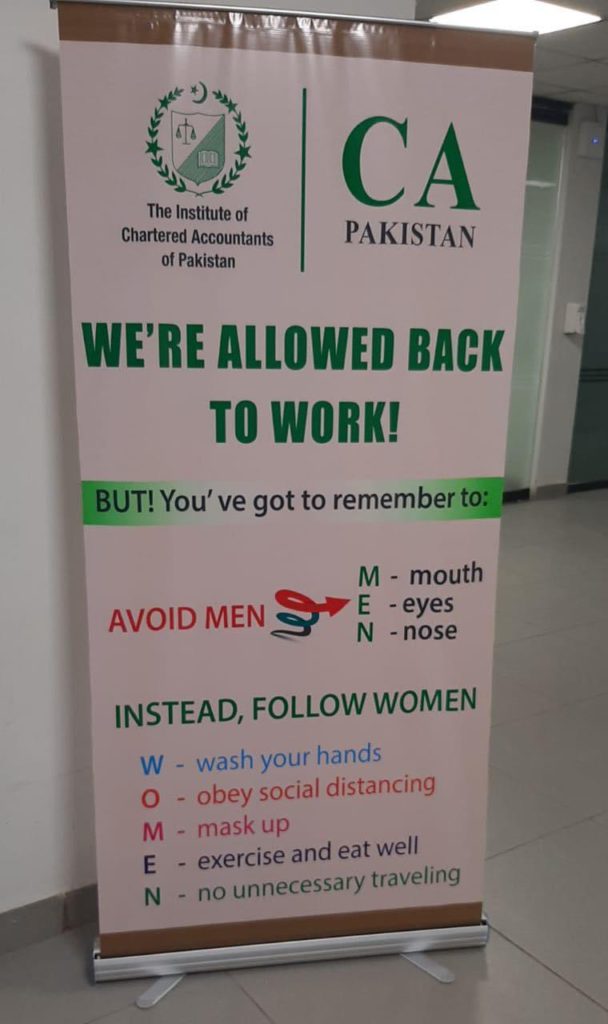

Okay! In times of pandemic and social distance as being the main strategy for stopping the disease, words like social distance itself , quarantine, containment and confinement, allowed or not allowed, come up all the time.
We’ve already had the chance to work with the other words in context. Today we’re going to look at ‘allow‘ within the context of the image above.
[transitive] 1 can do something to let someone do or have something, or let something happen [= permit]
allow somebody/something to do something
My parents wouldn’t allow me to go to the party.
Women are not allowed to enter the mosque.
Don’t allow your problems to dominate your life.
allow somebody something
Passengers are allowed one item of hand luggage each.
How much time are we allowed?
allow somebody in/out/up etc
I don’t allow the cat in the bedroom.
The audience is not allowed backstage.
something is (not) allowed (=something is or is not officially permitted)
Are dictionaries allowed in the exam?
We don’t allow diving in the pool.
2 make something possible to make it possible for something to happen or for someone to do something, especially something helpful or useful [= permit]:
This adjustment of the figures allows a fairer comparison.
allow for
Our new system will allow for more efficient use of resources.
allow somebody to do something
A 24-hour ceasefire allowed the two armies to reach an agreement.
allow somebody something
a seatbelt that allows the driver greater freedom of movement
Be careful with pronunciation!