
Your questions answered: bother

I like to put together blog posts or lessons based on students’ needs to express themselves.

So a student meant to say, “Estou me incomodando muito com minha família.” Then he said, “I’m bothering a lot with my family.”

Okay! Let’s look at this! First the meaning:

bother (noun):  trouble or annoyance

(verb): a. to annoy especially by trivial provocation

b. to cause to be somewhat anxious or concerned, or to become concerned.

Next, how it is used with verbs:

I don’t want to be a bother, but could you help me?
(be, cause)

Please do not go to any bother just for me.
(go to)

Cleaning the house would save me the bother.
(save)

He is becoming a bother to many people.
(be + becoming)

Preposition:

Helping you is not a bother to me.
(to)

Used with nouns:

My head is really bothering me today.
(head, back, eyes, leg, arm, injury)

Lying bothers my conscience.
(conscience)

Used as a verb:

Stop bothering me!
(stop, quit)

He keeps bothering his older sister.
(keeps, continuing to)

You are bothering me. Go away.
(be: is/am/are)

Used as a verb with adverbs:

He always bothers people.
(always, constantly, continuously, never, hardly)

Now watch this video.

So now how would you say, “Estou me incomodando muito com minha família.”

Remember, sometimes we can’t say something using the words that the dictionary shows as the translation of the words we want. We say it in a different way. And how do we know that? Well, with…

time

exposure

practice and

consistent correction

https://www.merriam-webster.com/dictionary/bother

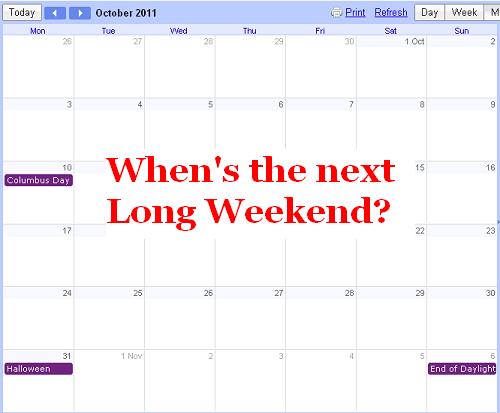
A long weekend is coming!

Our Lady Aparecida

Neste final de semana, haverá um feriadão, ou seja, será um fim de semana prolongado. Você sabe como dizer “feriado prolongado” em inglês?

Sempre que um feriado cai próximo ao final de semana e algumas empresas ou escolas fazem um recesso na quinta e sexta, ou segunda e terça, chamamos em inglês de “long weekend”.
Você pode dizer também, a “three-day weekend”, quando o feriado é na sexta ou na segunda, ou então se o feriado é na quinta, com recesso na sexta, ou na terça, com recesso na segunda, podemos chamar de “four-day weekend”.

No inglês britânico o termo mais comum, que corresponde a “feriado prolongado” é “bank holiday weekend”.

E as perguntas mais comuns antes de um feriado prolongado são: Como será seu feriado? Com você passará o feriado? O que você fará neste feriado? Em inglês, você pode dizer:

  • How is your long weekend going to be?
  • How are you going to spend your three-day weekend?
  • Where are you going to spend your long weekend?
  • What are you going to do this long weekend?

Ah! E respondendo a pergunta acima, “Nossa Senhora Aparecida” é considerada a santa padroeira do Brasil.

Complete as frases com as palavras ou expressões que faltam:

1- Monday is a _____________________.

(Segunda-feira é feriado.)

2- It’ll be ____________________________________.

(Será um feriado de três dias.)

3- There are many ____________________in Brazil.

(Há muitos feriados cristãos no Brasil.)
Long weekend 2

4- Next long weekend, All Souls’ Day, ________________ a Friday this year.

(O próximo feriado prolongado, Finados, cai em uma segunda esse ano.)

5- I’m in a _________________________.

(Estou em clima de feriado.)

7- I’ll _______________ the holiday at home.

(Passarei o feriado em casa.)

Agora confira suas respostas:

1 – holiday; 2 – a three-day weekend; 3 – Christian holidays; 4 – falls on; 5 – holiday mood; 6 – spend .

Saiba mais sobre feriado, e não esqueça de escutar as perguntas que sua teacher lhe fará após o feriado prolongado. 😉


In-person or online classes?

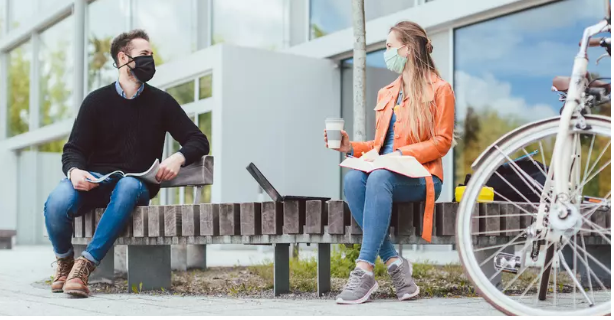
The COVID-19 pandemic has dramatically disrupted every layer of the education sector, from early childhood through higher education.

In March of 2020, almost everyone thought schools shutting down would be a temporary situation and that students would be back in class like normal in no time. Last-minute plans were made with a rush to figure out virtual teaching and learning during the COVID-19 pandemic. Roughly half a year later, normal is nothing close to where we are.

Now, many people still don’t feel safe going back face-to-face, i.e., in-person yet. Government, schools, and universities are planning for a beginning like no other we have seen in the past. Although they are left uncertain on how to proceed, they are coming out with different plans which can be:

  • fully virtual;
  • hybrid, blended model or schedule;
  • in-person teaching with remote students;
  • teaching online and in-person simultaneously.

The threat of potential exposure to COVID-19 is scary. Some fear is acceptable because it makes you vigilant about taking precautions, but too much of it can do more harm than good.

I know there is some stress and worry for those who are teachers or parents who have a child that is going back to school in-person, whether full timeevery other day or every other week. They all worry about the kids’ adjustment to new methods to prevent the further spread of the coronavirus.

So, to talk about that, possible combinations are:

  • in-person, face-to-face, in-class, classroom, classroom-based, traditional, presential, on-campus / online, remote COURSE
  • in-person, face-to-face, traditional / online, remote, and remote live CLASSES
  • in-person, traditional/virtual, remote, online CLASSROOM
  • in-person / online, virtual school
  • online, distance EDUCATION
  • in-person, face to face, classroom-based, *traditional / virtual, online, remote, distance / blended *LEARNING/TEACHING
  • in-person/ remote, virtual STUDENT
  • hybrid, blended MODEL or SCHEDULE (under)
  • remote, online, and hybrid INSTRUCTION
  • being taught remotely, online or in a hybrid remote/online FORMAT

Right now, there are still a lot of questions about how resuming this school year will look. Many fine details need to be worked on, like markings on the hallways, walls, and desks as reminders of the safety measures, or the rules everyone will have to follow.

One of the only places masks will be able to come off inside of the buildings is in the cafeterias when students eat.

With all the rules, you might expect students to have a hard time, but some say that they are willing to follow the rules because they want to be back. They miss their teachers, the environment, the staff, the cafeteria, and all that interaction.

I believe government, institutions, teachers, and parents should all do what it takes to keep kids safe and get them the education they need.

View lessons on Remote classes, Computer problems and A ‘dead’ battery?, if you need.

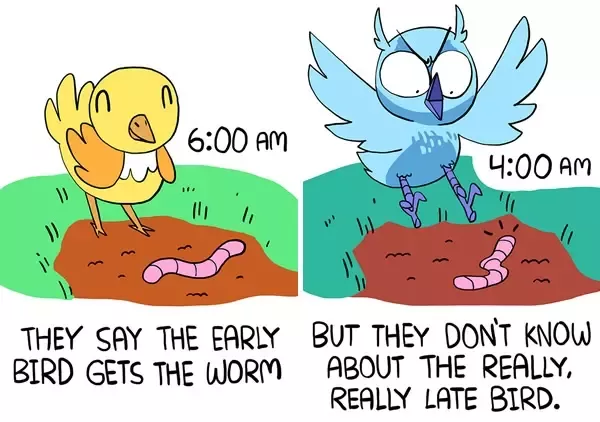
Early bird or night owl?

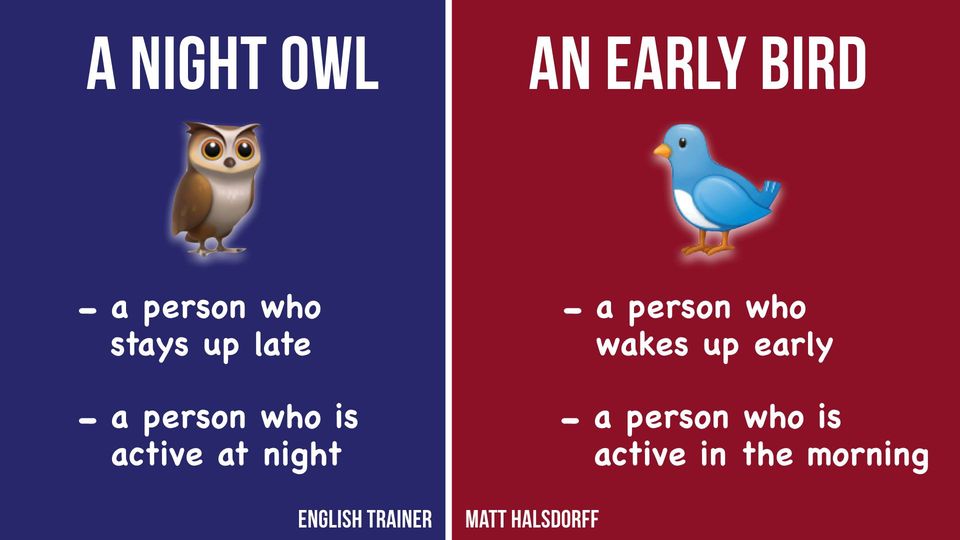
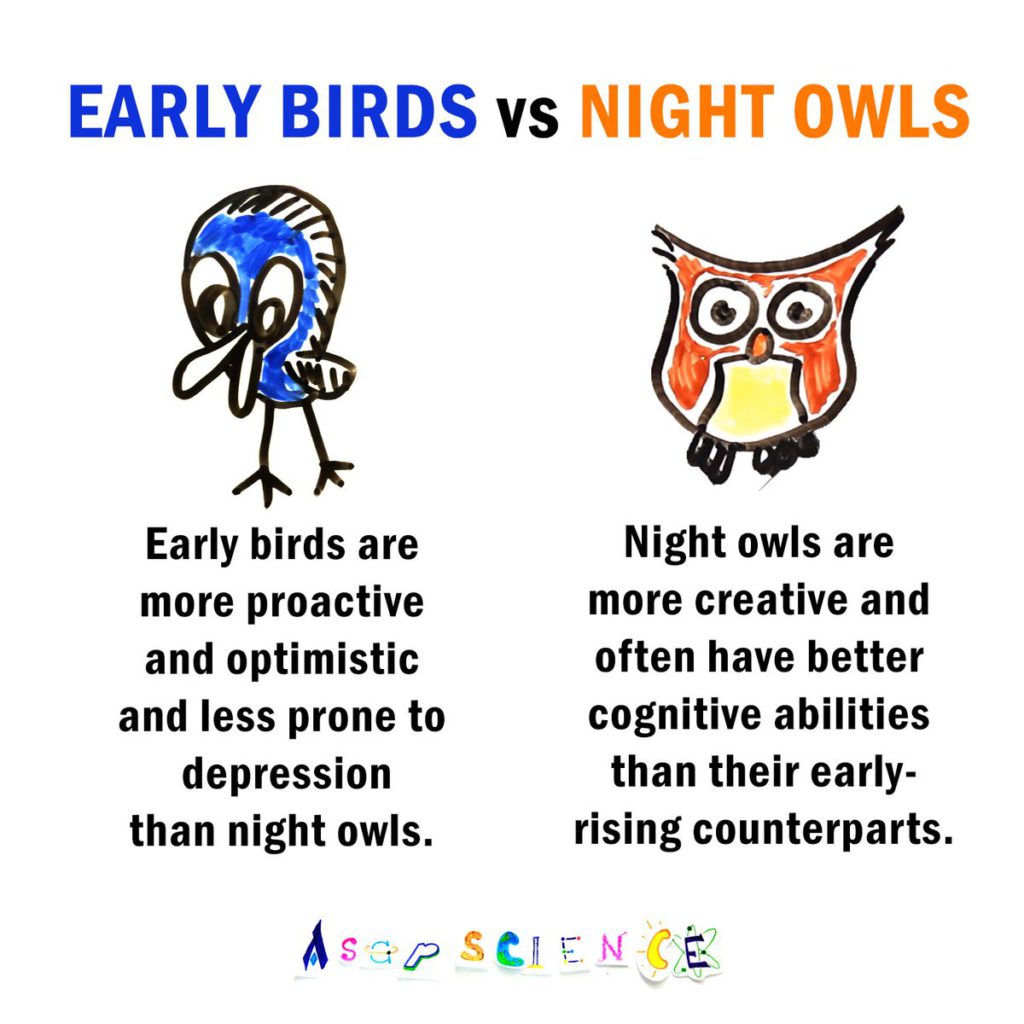
Do you wake up early every day, or do you stay up late every night? Waking up early would mean you are an early birdstaying up late into the night would make you a night owl. What effect might this trait have on your personality? Intelligence? Success rate?

I’ve decided to give you information about the pros and cons of being an early bird or a night owl, through this video. You can practice your listening, and write down what it says, to study vocabulary and phrases. Slow down playback speed, by clicking the Settings icon, if you need it.

So, are you an early bird or a night owl? Which one are you? Is it better to be an early bird or a night owl?

Keep warm!!

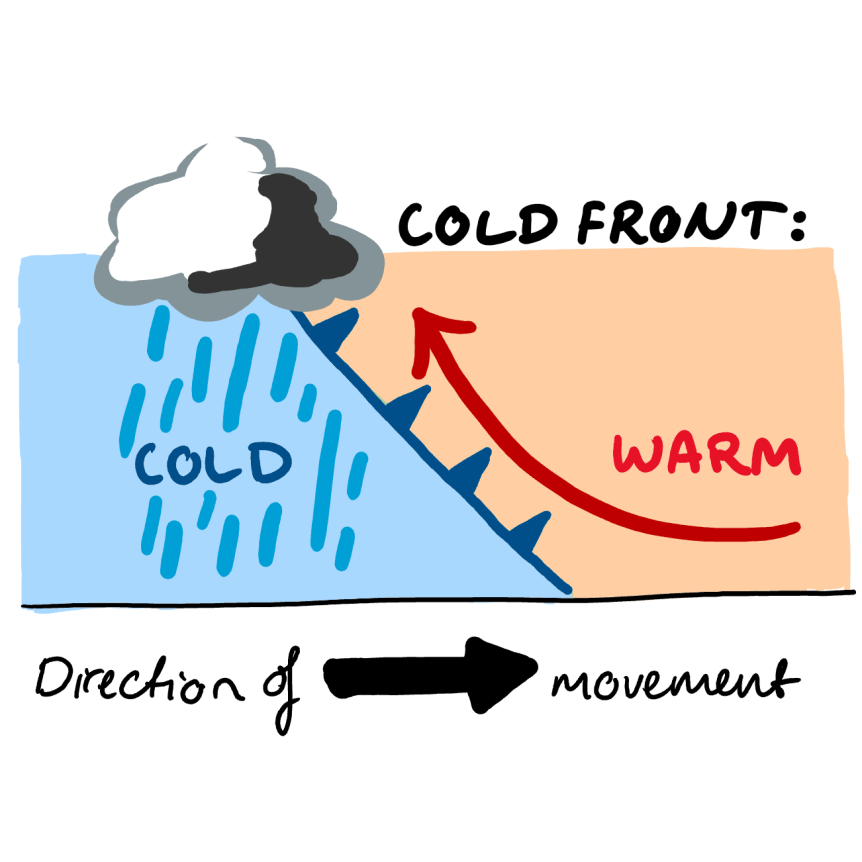
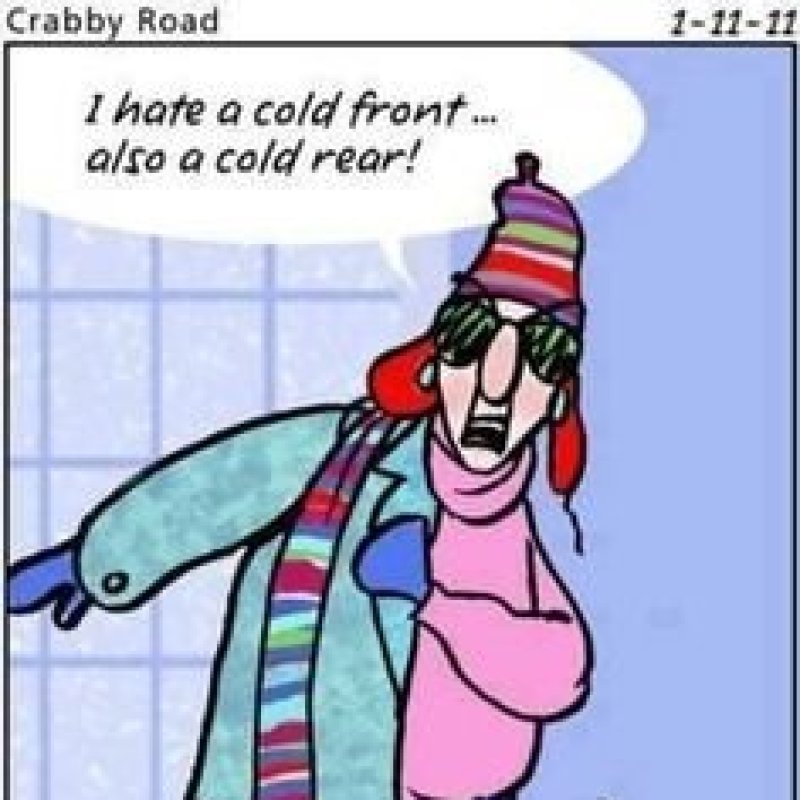
A powerful cold air mass of polar origin is over Brazil. This unusual sharp cooling has been producing freezing temperatures.

Look at some vocabulary to describe the weather here.

Now, the only thing I can think of, to tell people is:

“Make sure you keep warm!”

To keep/stay warm means to keep your body warm, meaning wear the right clothes or do the correct activity or thing to keep yourself warm (referring to body temperature).

It is a normal closing for good wishes. In the middle of winter, ‘stay warm’ would be taken as a wish that you keep warm now that the cold weather is upon us.

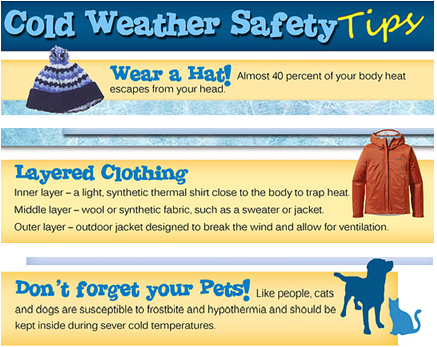
Next a few tips to deal with this cold weather: