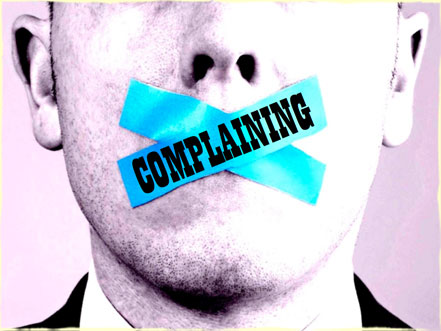
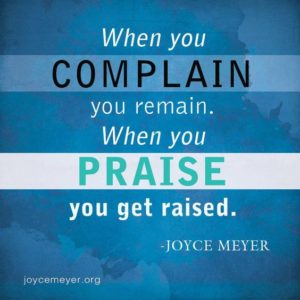
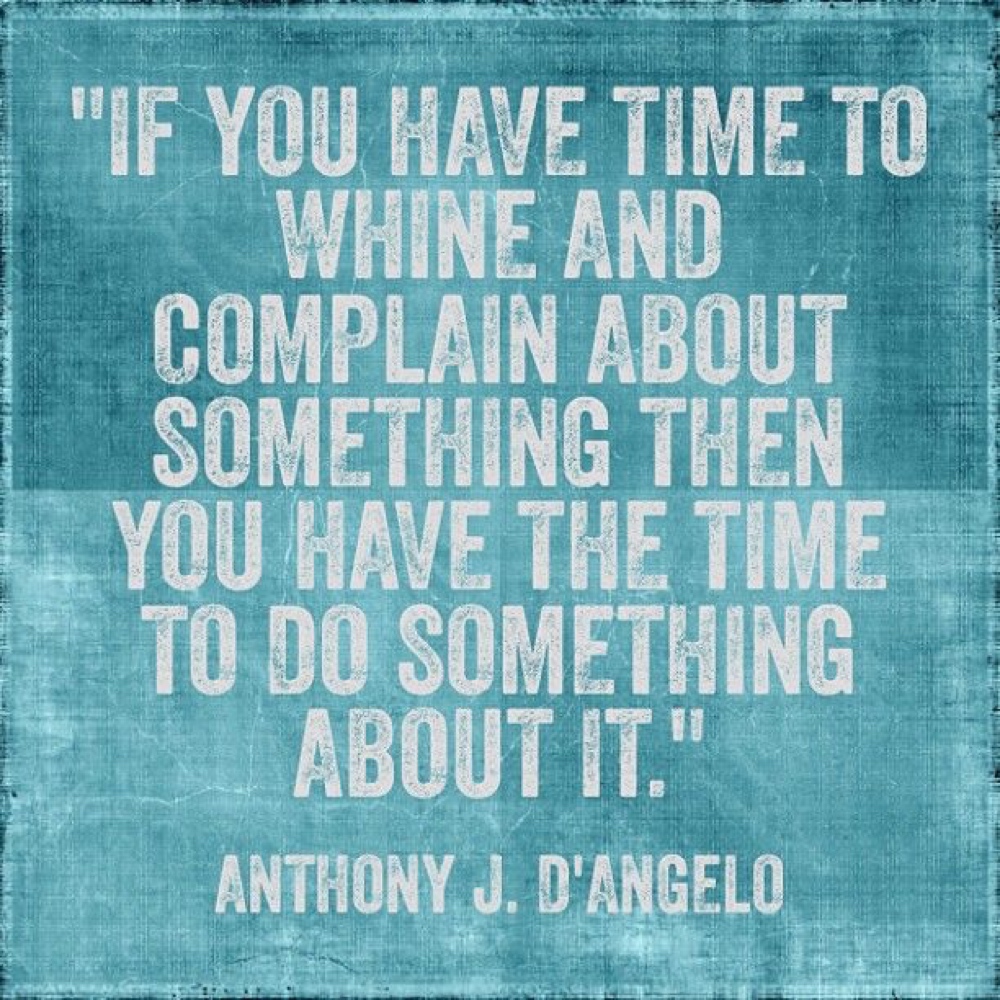
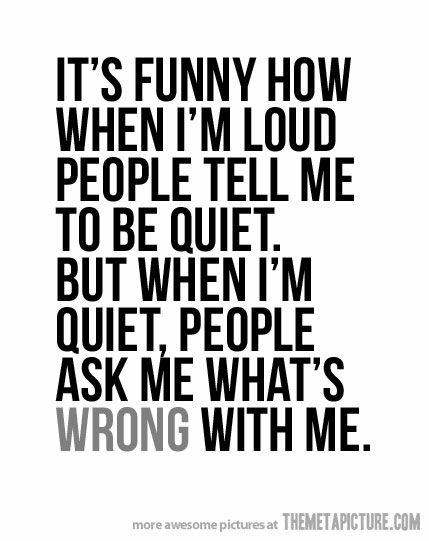
We’ve watched a German comedy in which a wife kept whining because she didn’t want her husband to relax and sit around doing nothing. At some point, she tells him to stop whining at her, although she was the one who was actually whining. Anyway, I think there’s a good message below, for this kind of whining attitude. Hehe… What do you think?
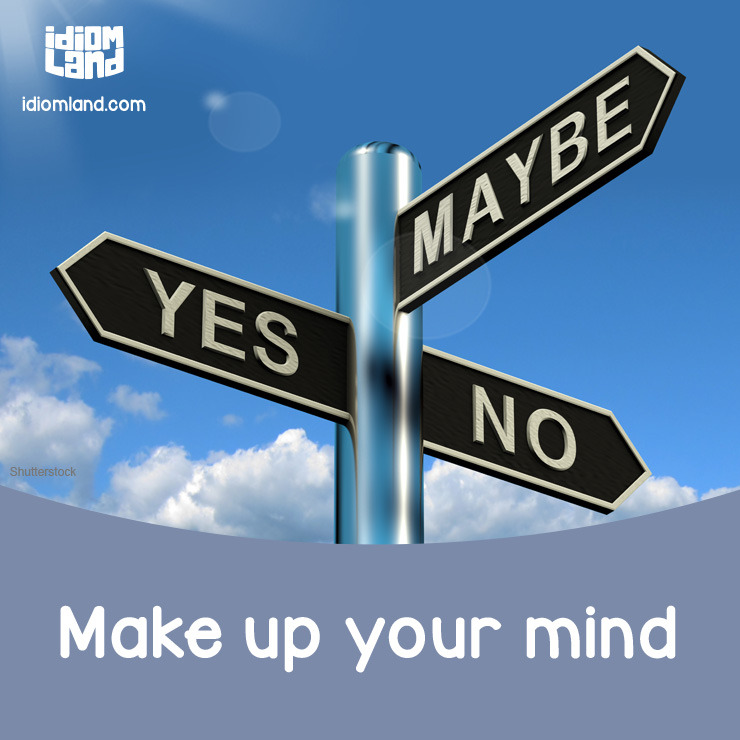
A student of mine told me that his daughter, who was on vacation, got mad at him when he, one day, woke her up at 8 o’clock in the morning. The next day, he woke her up at 10 am and she got mad at him again! So he said to her: “Come on Julia, make up your mind!”
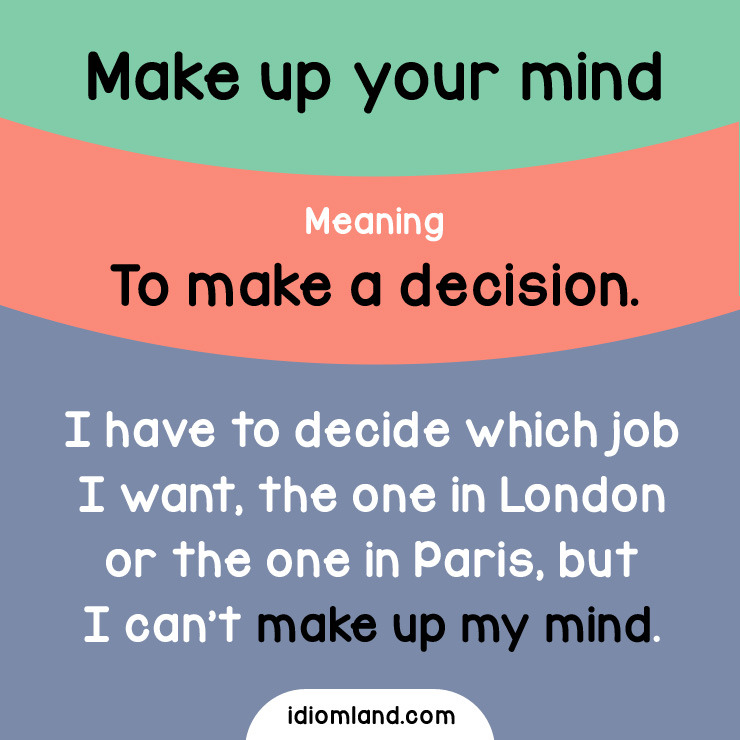
make up your mind/make your mind up
a) to decide which of two or more choices you want, especially after thinking for a long time
I wish he’d hurry up and make his mind up.
make up your mind/make your mind up about
He couldn’t make up his mind about what to do with the money.
make up your mind whether
Karen couldn’t make up her mind whether to apply for membership or not.
b) to become very determined to do something, so that you will not change your decision
No more argument. My mind is made up.
make up your mind to do something
He had clearly made up his mind to end the affair.
make up your mind that
I made up my mind there and then that I would never get married.
c) to decide what your opinion is about someone or something
make up your mind/make your mind up about
I could never really make my mind up about him.
You’re old enough to make your own mind up about smoking.
Now, suppose that what’s written next happens to you.
Olá pessoal! Muito em breve, eles estarão no foco de nossas conversas, pois haverá aquele dia só deles! Afinal, nossos pais are ou were the best in the world!
Embora não os comparamos com outros, ontem, vimos os comparatives! Hehe… Hoje veremos os superlatives, o único modo como realmente os vemos!!
O superlativo é usado sempre que queremos dizer que uma coisa é “o mais…” “a mais…”, “o… mais…”, “a… mais…”.
Vejam estes exemplos:
Este livro é o mais interessante que eu já li.
Ela é a mais bonita da escola.
Este é o anel mais caro que eles têm.
Aquele é o prédio mais velho da cidade.
Ele é o garoto mais alto da classe.
Este é o maior prédio do mundo.
Este é o pior filme que eu já vi.
Vejam as frases acima em inglês:
This book is the most interesting I’ve ever read.
She is the most beautiful at school.
This is the most expensive ring they have.
That is the oldest building in town.
He is the tallest boy in the class.
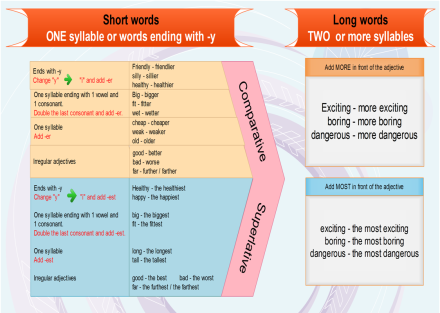
Percebam então que em inglês existem duas maneiras de se formar o superlativo. Com os adjectivos mais longos, vamos usar the most + adjective, e com os adjetivos mais curtos, vamos usar adjective + est.
Vejam alguns exemplos comuns:
the most expensive (o mais caro)
the most beautiful(o mais bonito)
the most popular (o mais popular)
the most boring (o mais chato)
the oldest(o mais velho)
the cheapest(o mais barato)
the deepest(o mais fundo)
the fastest(o mais rápido)
the longest(o mais longo)
the hottest (o mais quente)
the biggest (o maior)
E como em português, existem aquelas formas de superlativo que fogem à regra, como:
bom (good) / o melhor = the best (e não ‘the goodest’)
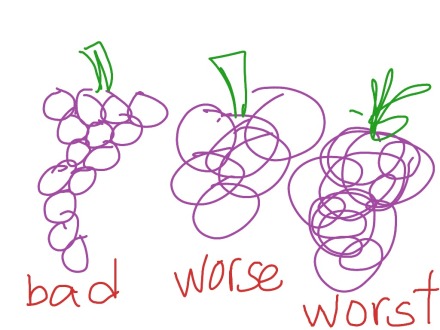
ruim (bad) / o pior = the worst (e não ‘the baddest’)
Got it? So let’s practice! Check tomorrow’s Blog post for exercises!
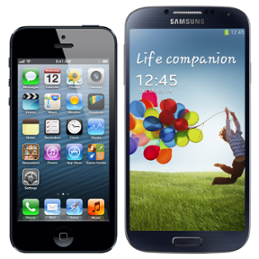
Veja que quando comparamos, dizemos que algo é “mais caro que”, “maior que”. Veja como ficam estas frases:
An iPhone is more expensive than a Galaxy.
Usamos a estrutura acima, more + adjective + than, com adjetivos mais longos. Veja mais alguns exemplos:
more polite than = mais educado que
more modern than = mais moderno que
more intelligent than = mais inteligente que
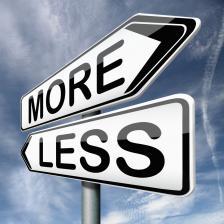
Também podemos fazer outro tipo de comparação e dizer “menos … que”. Neste caso, é só trocar “more” por “less”, veja:
less polite than = menos educado que
less modern than = menos moderno que
less accessible than = menos acessível que
Observe os exemplos abaixo:
That girl is less polite than her sister.Aquela garota é menos educada do que sua irmã.
This cell phone is less modern than the other. Este celular é menos moderno do que o outro.
Em português, falamos “mais bonito”, “mais caro”, “mais barato”, mas não falamos “mais pequeno”, e sim, “menor”. Em inglês isso também ocorre com alguns adjetivos, normalmente os mais curtos, que terminarão em -er.Veja:
A Galaxy is bigger than an iPhone.Um Galaxy é maior do que um iPhone.
Veja mais alguns exemplos:
grande = big
maior que= bigger than
That apartment is bigger than this house.Aquele apartamento é maior que aquela casa
velho = old
mais velho que = older than
Paul’s brother is older than him.O irmão do Paul é mais velho que ele.
legal = nice
mais legal que = nicer than
A roller coaster is nicer than a Ferris wheel.Uma montanha-russa é mais legal que uma roda-gigante.
barato = cheap
mais barato que = cheaper than
A Galaxy is cheaper than an iPhone.Um Galaxy é mais barato que um iPhone.
Há alguns comparativos que não seguem a mesma lógica:
bom = good
melhor que = better than
My headphones are better than that speaker. Meu fone de ouvido é melhor do que aquela caixa de som.
ruim = bad
pior que = worse than
The weather today is worse than yesterday. O tempo hoje está pior que ontem.
Got it? Don’t worry! You’re gonna get used to it as you practice!