RUN OUT OF (something) is a phrasal verb and it means to come to an end, to not have any left, e.g. gasoline, time, patience etc. [não ter mais, “ficar sem”, acabar, p.ex. gasolina, tempo, paciência etc.]
Observe sempre com que palavras o phrasal verb ‘run out of‘ combina [collocations]. O que faltou, acabou, será indicado após a preposição of.
I’ve run out of milk.
[Fiquei sem leite.]
We have run out of money.
[Ficamos sem dinheiro/Nosso dinheiro acabou.]
He never runs out of patience.
[Ele nunca perde a paciência.]
He said he ran out of ideas.
[Ele disse que as ideias acabaram.]
Unfortunately, we have run out of time.
[Infelizmente, o nosso tempo esgotou.]
They ran out of fuel/gas/petrol.
[Eles ficaram sem gasolina./A gasolina deles acabou.]
As seguintes estruturas são igualmente possíveis:
The milk has run out. [O leite acabou.]
The time is running out. [O tempo está acabando.]
My contract runs out next July. [Meu contrato acaba em julho próximo.]
When does your visa run out? [Quando seu visto expira?]
Well, I hope you never run out of energy to learn new things! 😉
Are you an early bird? Rising before everyone else. Getting ahead start before the day begins.
Or are you a night owl? Staying up into the darkness. Working long after everyone else has given in for the day.
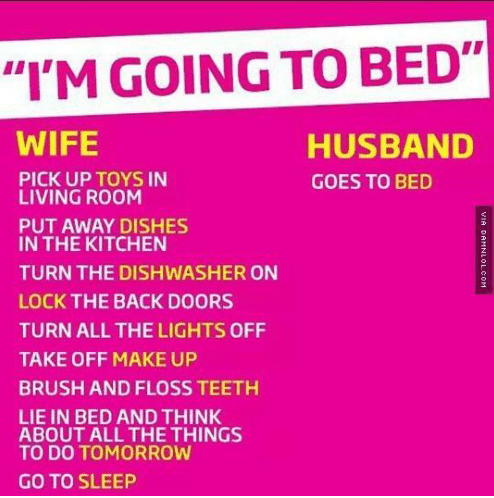
What do you think is more important: the time you “go to bed” or the sleep amount?
Aparentemente não há nada de extraordinário na palavra “bed”. Afinal, todos sabem, que “bed” significa “cama”. Assim, neste contexto, de ir dormir, ir para a cama para dormir, se diz: “go to bed”, sem o artigo, ou seja, não diga “go to the bed”!
Se você for colocar a criança para dormir, você dirá “put to bed“. Veja:
I’ll just put the children to bed.
Put the boys to bed around eight o’clock.
Há ainda, uma diferença entre: “in bed” e “on the bed”. Veja estas sentenças: she’s in bed e she’s on the bed. Bem, na primeira – she’s in bed – o sentido é de que a pessoa está na cama dormindo (ou ainda deitada na cama antes de se levantar, ou se ajeitando na cama para dormir). Já na segunda – she’s on the bed – significa que a pessoa está deitada sobre a cama (apenas lá deitada sem a intenção de dormir).
Get along (with) é um phrasal verb, e significadar-se bem, ou ter um bom relacionamento com alguém. Também pode ser usado com o sentido de progredir, e ainda, sair.
1 – Get along e get along with com o sentido de se dar bem, ter um bom relacionamento (com alguém):
Richard and his sister don’t get along. Richard e sua irmã não se dão bem.
Why don’t you two get along? You’re always arguing. Por que vocês dois não se dão bem? Vocês estão sempre discutindo.
I get along well with most of my colleagues. Eu me dou bem com a maioria dos meus colegas.
She gets along with the in-laws. Ela se dá bem com os seus sogros.
I don’t get along with my sister, we have nothing in common. Eu não me dou bem com minha irmã, nós não temos nada em comum.
2 – Get along/get along withcom o sentido de lidar com um trabalho ou situação, ou progredir:
Are you getting along with the project? Você está progredindo com o projeto?
How are you getting along with your schoolwork? Como você está progredindo com sua lição de casa?
How’s the homework getting along? Como a lição de casa está progredindo?
I got along much better in my new job. Eu progredi muito mais no meu novo emprego.
3 – Get alongno sentido de sair – I must/I’d better be getting along :
The store owner told the children to get along. O dono da loja disse às crianças para saírem.
It’s late; we must be getting along. Está tarde, nós temos que estar saindo.
Got it? Well, I do hope you get along quite well with everyone around you! 😉